
To minimize skin irritation from the Daytrana patch, the most effective methods are to alternate the application site on the hips daily and to ensure you are applying it only to clean, dry, and non-irritated skin. For many users, mild redness after removal is a normal and temporary reaction.
The core principle for preventing skin reactions is proactive management through a consistent rotation schedule. By systematically changing where you apply the patch, you give each area of skin the necessary time to recover, significantly reducing the likelihood of significant irritation.
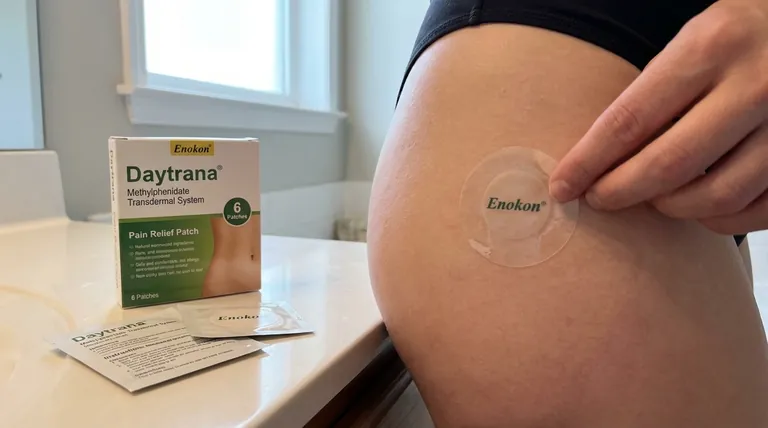
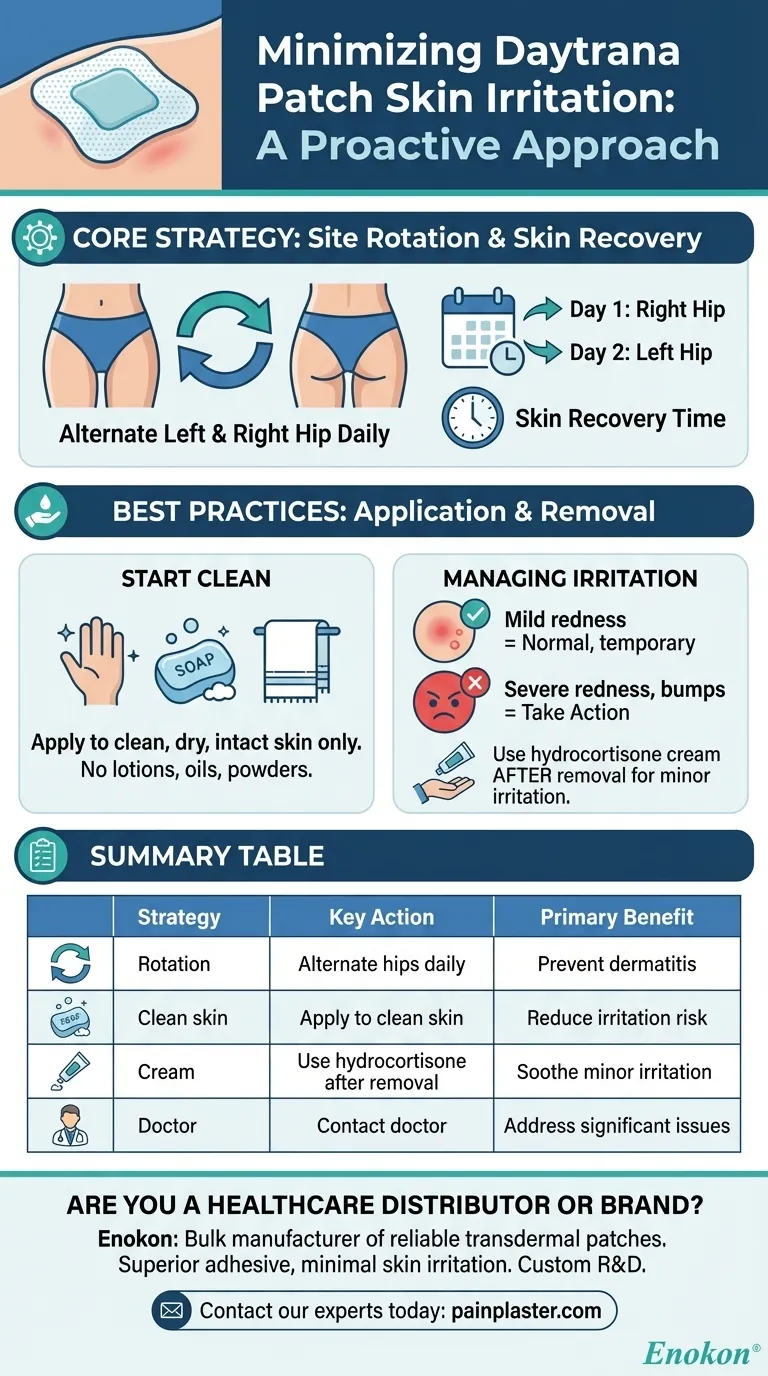
The Core Strategy: Site Rotation and Skin Recovery
The primary cause of skin irritation from a transdermal patch is the constant, direct contact with the adhesive and the medication. A disciplined rotation strategy is the single most important factor in preventing this.
Why Rotation is Critical
Continuous application to the same spot can lead to contact dermatitis, where the skin becomes red, itchy, and inflamed. Giving the skin a break allows the natural barrier to heal and recover between applications.
Recommended Application Sites
The patch should be applied to the hip area. To maximize recovery time for any single spot, alternate between the right and left hip each day.
Creating a Simple Rotation Schedule
Establish an easy-to-remember routine. For example, apply the patch to the right hip on even-numbered days and the left hip on odd-numbered days. This prevents accidentally reapplying to the same side two days in a row.
Best Practices for Application and Removal
Proper technique is just as important as site selection. Following best practices for both applying and removing the patch will further reduce the risk of skin problems.
Start with a Clean Surface
Always apply the patch to skin that is clean, dry, and free of any lotions, oils, or powders. These substances can interfere with adhesion and potentially increase irritation.
Avoid Damaged or Irritated Skin
Never apply the Daytrana patch to skin that is already red, cut, scraped, or otherwise damaged. Placing a patch on compromised skin can worsen the irritation and may affect how the medication is absorbed.
Managing Irritation When It Occurs
Even with perfect technique, some irritation can occur. Knowing how to respond is key to managing the issue without disrupting treatment.
Identifying Normal vs. Problematic Redness
A small amount of mild redness under the patch area immediately after removal is very common and usually fades quickly. This is not typically a cause for concern.
When to Take Action
If you notice the redness is severe, doesn't fade, or is accompanied by bumps, blisters, or significant itching, you need to take action. This indicates a more significant reaction.
Using Topical Treatments
For minor but persistent irritation, you can apply a small amount of over-the-counter hydrocortisone cream to the affected area after you have removed the patch for the day. Do not apply it before or under the patch.
When to Escalate to Your Doctor
You must contact your doctor or a dermatologist if the skin irritation is severe, spreads beyond the patch area, or does not improve with simple measures. They may recommend alternative treatments or strategies.
Making the Right Choice for Your Goal
Your approach depends on whether you are trying to prevent irritation or treat an existing reaction.
- If your primary focus is prevention: The most crucial step is to strictly alternate the application site between your right and left hip every single day.
- If you are already experiencing mild irritation: After removing the patch, treat the red area with a small amount of hydrocortisone cream and ensure you do not reapply a patch to that spot until it has fully healed.
- If your skin irritation is severe or worsening: Discontinue use on the affected areas and consult your prescribing doctor immediately to discuss next steps.
By implementing this proactive approach, you can effectively manage your treatment while prioritizing the health of your skin.
Summary Table:
| Strategy | Key Action | Primary Benefit |
|---|---|---|
| Site Rotation | Alternate application site between left & right hip daily. | Allows skin to recover, preventing contact dermatitis. |
| Proper Application | Apply to clean, dry, intact skin only. | Ensures proper adhesion and reduces irritation risk. |
| Irritation Management | Use hydrocortisone cream after removal on affected areas. | Soothes minor, existing irritation. |
| Medical Consultation | Contact a doctor for severe or worsening reactions. | Addresses significant skin issues and explores alternatives. |
Are you a healthcare distributor or brand seeking reliable, skin-friendly transdermal patches?
At Enokon, we are a bulk manufacturer of reliable transdermal patches and pain plasters. Our technical expertise ensures superior adhesive formulations designed for patient comfort and minimal skin irritation. We partner with distributors and brands to provide custom R&D and development, tailoring solutions to your specific market needs.
Let's develop a better patch together. Contact our experts today to discuss your requirements.
Visual Guide
Related Products
- Herbal Medicated Anti Diarrhea Patch for Digestive Relief
- Menthol Gel Pain Relief Patch
- Hydra Gel Health Care Eye Patch
- Icy Hot Menthol Medicine Pain Relief Patch
- Cooling Fever Patches Color Change Cold Fever Patch
People Also Ask
- What are the pharmacological effects of multi-target herbal patches in relieving joint inflammation? Science-Backed OEM
- What activities should be avoided while using this patch? Key Precautions for Safe & Effective Use
- What should be avoided when using the patch? Key Safety Tips for Herbal Patch Users
- What should be done if a patch falls off or a dose is missed? Quick Fixes & Safety Tips
- What should be done if a patch comes loose or falls off? Ensure Continuous & Effective Treatment



















