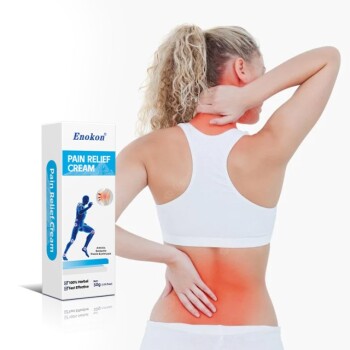
Hydroalcoholic dispersion carriers represent a significant advancement over traditional cream formulations when the goal is deep, systemic delivery of active ingredients. While traditional creams often sit on the skin's surface or penetrate slowly, hydroalcoholic systems utilize ethanol to actively lower the skin's natural resistance, resulting in superior permeation and bioavailability.
The Core Insight The skin's outer layer is designed to keep substances out, which limits the effectiveness of standard emulsified creams. Hydroalcoholic dispersions overcome this by using ethanol to temporarily alter the skin's lipid structure, creating a "fast lane" for high concentrations of medication to reach the bloodstream.
The Mechanism of Penetration
Overcoming the Stratum Corneum
The primary hurdle in transdermal delivery is the stratum corneum, the outermost layer of the skin which acts as a barrier.
Traditional creams often struggle to push large amounts of active ingredients past this defense.
The Role of Ethanol
Hydroalcoholic dispersions utilize ethanol as a potent penetration enhancer.
Ethanol does not merely act as a solvent; it actively modifies the lipid arrangement within the stratum corneum.
By disrupting this structure, the carrier effectively reduces diffusion resistance, allowing the active ingredients to pass through more freely.
Performance vs. Traditional Creams
Superior Bioavailability
The primary advantage of the hydroalcoholic system is the resulting bioavailability.
Because the barrier resistance is lowered, a significantly higher cumulative concentration of the drug is delivered across all skin layers compared to emulsified creams.
Deep Tissue Targeting
Traditional creams are often limited to treating the upper layers of the skin.
In contrast, hydroalcoholic dispersions are engineered for deep penetration, making them the superior choice for therapies requiring high concentrations of active components in the underlying tissues or bloodstream.
Clinical Advantages of Transdermal Systems
Bypassing Metabolic Filters
Regardless of the specific carrier, effective transdermal delivery offers a major pharmacokinetic advantage: bypassing the hepatic first-pass effect.
Oral medications often degrade in the gastrointestinal tract or are metabolized by the liver before working. Transdermal systems deliver medication directly into the bloodstream.
Improved Adherence
Non-invasive delivery methods significantly improve patient compliance.
These systems provide a viable option for patients who cannot swallow pills or require stable, long-term management (such as pain control) without frequent dosing.
Understanding the Trade-offs
Application Specificity
While hydroalcoholic dispersions are superior for penetration, they are specialized tools.
They are designed specifically for applications requiring deep penetration and high-concentration delivery.
If the goal is merely surface-level moisturization or treating a superficial condition where systemic absorption is unwanted, a traditional cream may still be the appropriate choice.
Making the Right Choice for Your Formulation
To determine which carrier system aligns with your therapeutic goals, consider the intended destination of the active ingredient.
- If your primary focus is Systemic Bioavailability: Choose a hydroalcoholic dispersion to reduce diffusion resistance and bypass first-pass metabolism.
- If your primary focus is Deep Tissue Penetration: Utilize the ethanol-based carrier to ensure high concentrations of the active ingredient reach layers that traditional creams cannot access.
- If your primary focus is Non-Invasive Long-Term Therapy: Leverage transdermal systems to maintain stable drug levels and improve patient adherence compared to oral dosing.
By selecting a carrier that actively modifies skin lipids, you transform the skin from a barrier into an effective pathway for therapeutic delivery.
Summary Table:
| Feature | Hydroalcoholic Dispersion Carrier | Traditional Cream Formulation |
|---|---|---|
| Primary Mechanism | Ethanol-driven lipid disruption | Surface-level emulsification |
| Penetration Depth | Deep tissue & systemic delivery | Mainly superficial/epidermal |
| Bioavailability | High (reduces diffusion resistance) | Low to moderate |
| Skin Barrier Effect | Actively lowers stratum corneum resistance | Limited impact on skin barrier |
| Best Use Case | Chronic pain, systemic therapies | Moisturization, surface conditions |
Elevate Your Product Performance with Enokon's Transdermal Expertise
Are you looking to transition from traditional topicals to high-performance transdermal delivery? Enokon is a trusted manufacturer specializing in wholesale transdermal patches and custom R&D solutions. We help brands leverage advanced delivery systems to bypass first-pass metabolism and improve patient adherence.
Our extensive manufacturing capabilities include:
- Pain Relief Solutions: Lidocaine, Menthol, Capsicum, and Far Infrared patches.
- Specialized Care: Herbal blends, Eye Protection, Detox, and Medical Cooling Gel patches.
- Custom R&D: Tailored formulations for deep tissue penetration (excluding microneedle technology).
Partner with a leader in transdermal innovation. Contact Enokon today to discuss your custom formulation or wholesale needs and transform how your active ingredients reach their target.
References
- Ediléia Bagatin, Patrícia Maria Berardo Gonçalves Maia Campos. Tretinoin-based formulations - influence of concentration and vehicles on skin penetration. DOI: 10.1590/s1984-82502015000100009
This article is also based on technical information from Enokon Knowledge Base .
Related Products
- Hydra Gel Health Care Eye Patch
- Mugwort Wormwood Pain Relief Patch for Neck Pain
- Lidocaine Hydrogel Pain Relief Patch for Pain Relief
- Natural Herbal Patch for Motion Sickness and Car Sickness Relief
- Medical Cooling Gel Patches for Fever Cooling Patches
People Also Ask
- What is the core function of calcium chloride (CaCl2) in hydrogel patches? Ensuring Precision & Manufacturing Scale
- How does the addition of Gelatin improve the performance of hydrogel patches? Enhance Adhesion & Delivery Efficiency
- What is the texture and design of hydrogel eye patches? Comfort & Science for Brighter Eyes
- What are some active ingredients in hydrogel eye patches and their purposes? Key Benefits Explained
- What are the main functions of hydrogel eye patches? Revitalize & Hydrate Your Under-Eye Area