
To use lidocaine patches safely, you must strictly control how the medication is absorbed through your skin. This involves applying the patch only to healthy, intact skin, never exposing it to heat sources like heating pads or direct sunlight, and always following the prescribed timing—typically 12 hours on and 12 hours off—to prevent an overdose.
The core principle of lidocaine patch safety is maintaining its function as a local anesthetic. Breaking the rules of application, especially by adding heat or applying to broken skin, can cause a rapid, uncontrolled release of the drug into your bloodstream, creating systemic risks.
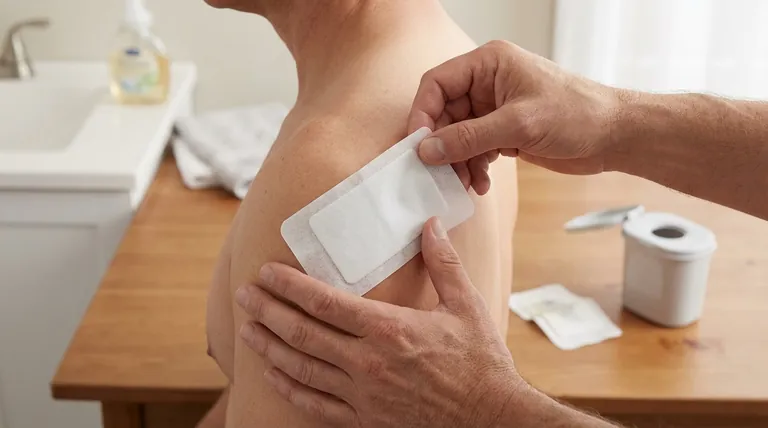
Mastering Proper Application: The Foundation of Safety
Correct application isn't just about making the patch stick; it's the primary mechanism for ensuring a safe, controlled dose of medication.
The "Intact Skin" Rule
This is the most critical precaution. Lidocaine is meant to be absorbed slowly through healthy skin.
Applying a patch to skin that is broken, cut, burned, or irritated removes this natural barrier. This can lead to a dangerously fast absorption of the drug, increasing the risk of systemic side effects.
Choosing the Right Location
Always apply the patch to a clean, dry, and hairless area of skin. Avoid locations where tight clothing might constantly rub against it, which can dislodge the patch or increase irritation.
If the application site becomes irritated, remove the patch immediately. Do not apply a new one to that same spot until all signs of irritation have completely disappeared.
Rotating Application Sites
To prevent skin fatigue and irritation, you should alternate where you place the patch each day. This gives your skin time to recover and maintains its integrity as a safe barrier for medication delivery.
The Critical Role of Temperature and Environment
External factors, particularly heat, can dramatically alter how the patch works, turning a safe dose into a hazardous one.
Why Heat is a Major Hazard
Never apply any external heat source over a lidocaine patch. This includes heating pads, electric blankets, heat lamps, or even prolonged direct sunlight.
Heat increases blood flow to the skin, which significantly accelerates how quickly your body absorbs the lidocaine. This can lead to a sudden spike of the medication in your system, mimicking an overdose. You should also avoid applying a patch immediately after a hot bath or shower for the same reason.
Special Medical Considerations (MRI)
The patch must be removed before undergoing an MRI scan. Some patches contain metallic components that can heat up during the procedure, potentially causing serious skin burns. Always inform your medical team that you are using a lidocaine patch before any procedure.
Adhering to Dosage and Timing
The effectiveness and safety of lidocaine patches are directly tied to a consistent schedule. More is not better and can be dangerous.
The 12-Hour On, 12-Hour Off Cycle
The standard usage is to wear a single patch for no more than 12 hours within a 24-hour period. This is followed by a 12-hour "patch-free" interval.
This cycle prevents the body from building up toxic levels of the drug and helps reduce the chance of skin irritation.
Never Reuse or Double-Up
Patches are designed for single use only. Never reapply a used patch. If your patch falls off, do not simply stick it back on if it would extend your total wear time beyond the prescribed 12 hours.
Handling and Disposal: Protecting Others
A used lidocaine patch still contains a significant amount of active medication, making it a potential danger to children and pets.
Wash Your Hands After Handling
Always wash your hands with soap and water immediately after applying or removing a patch. This prevents you from accidentally transferring the medication to sensitive areas like your eyes, nose, or mouth.
The "Fold and Dispose" Method
Once you remove a patch, fold it in half so the sticky, medicated sides press together. This seals in the remaining lidocaine.
Dispose of it immediately in a trash can that is out of reach of any children or pets. Accidental ingestion can be fatal.
Understanding Potential Side Effects and Interactions
While lidocaine patches act locally, some of the medication will enter your bloodstream. It's crucial to be aware of potential systemic effects.
When to Be Cautious
Side effects like dizziness or drowsiness can occur. Until you know how the patch affects you, avoid driving or operating heavy machinery.
Disclose Your Full Medical Picture
Always inform your doctor and pharmacist about your complete medical history, including any allergies and all other medications you are taking (prescription, over-the-counter, and supplements). This is essential before any surgery or medical procedure.
Monitoring for Skin Reactions
Mild redness at the application site is common and usually harmless. However, if you experience severe reactions like burning, swelling, or blistering, remove the patch and contact your doctor immediately.
A Simple Checklist for Safe Lidocaine Patch Use
To ensure you are using your patch safely and effectively, tailor your precautions to your situation.
- If you are a first-time user: Apply a single patch to intact skin and pay close attention to how you feel for the first 12 hours. Avoid driving until you are certain it does not make you drowsy.
- If you manage chronic pain: Make rotating application sites a strict daily habit to preserve your skin's health and ensure consistent medication delivery over the long term.
- If you are a caregiver or have children/pets: Your primary focus must be on secure storage of new patches and immediate, proper disposal of used ones to prevent a tragic accident.
By following these guidelines, you can effectively leverage the lidocaine patch as a precise and safe tool for managing localized pain.
Summary Table:
| Precaution Category | Key Safety Action | Why It's Important |
|---|---|---|
| Application | Apply only to intact, healthy skin. Rotate sites daily. | Prevents rapid drug absorption and skin irritation. |
| Temperature | Avoid heat sources (heating pads, sun). Remove before MRI. | Heat accelerates absorption, mimicking an overdose. |
| Dosage/Timing | Follow 12 hours on, 12 hours off cycle. Never reuse. | Prevents toxic drug buildup in the body. |
| Handling/Disposal | Wash hands after use. Fold and dispose of used patches securely. | Protects children and pets from accidental ingestion. |
Need a reliable, high-quality supply of lidocaine patches? As Enokon, a bulk manufacturer of trusted transdermal patches and pain plasters, we provide healthcare distributors and brands with consistent, safe products backed by expert custom R&D. Let us develop a solution tailored to your market's needs. Contact our team today to discuss your requirements and benefit from our technical expertise.
Visual Guide

Related Products
- Lidocaine Hydrogel Pain Relief Patch for Pain Relief
- Menthol Gel Pain Relief Patch
- Herbal Medicated Anti Diarrhea Patch for Digestive Relief
- Icy Hot Menthol Medicine Pain Relief Patch
- Asthma Cough and Pain Relief Patch for Adults and Kids
People Also Ask
- How does the aqueous base in a lidocaine patch contribute to drug delivery? Unlocking Sustained Pain Relief Technology
- What are the advantages of topical anesthetics over invasive Lidocaine infiltration? Discover Safer, Scalable Relief
- Which pain patch is most effective for arthritis? Find the Best Relief for Your Joint Pain
- Why are lidocaine patches preferred over oral medications? Targeted Relief & Scale Your Brand with OEM R&D Solutions
- Will a GP routinely continue prescribing lidocaine patches after the initial period? Understanding Short-Term Pain Relief



















