
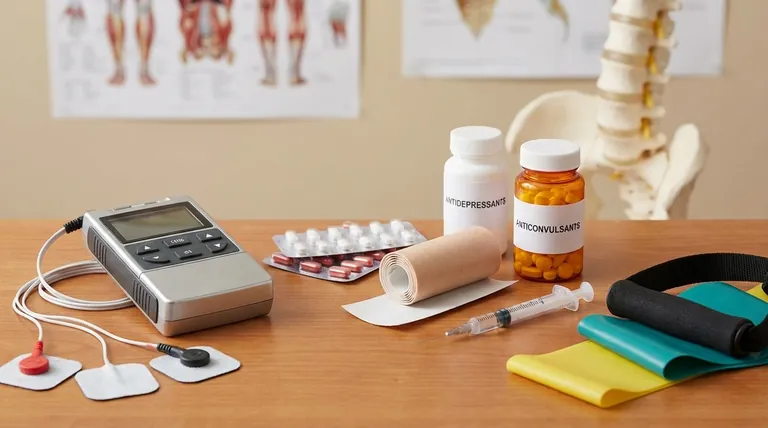
If the Capsaicin Patch does not provide sufficient relief for nerve pain, several alternative treatments are available. These include medications like antidepressants or anticonvulsants, topical treatments such as lidocaine patches, and more advanced options like nerve blocks or spinal cord stimulators. Each alternative targets nerve pain through different mechanisms, offering options for those who do not respond to capsaicin therapy.
Key Points Explained:
-
Medications as Alternatives
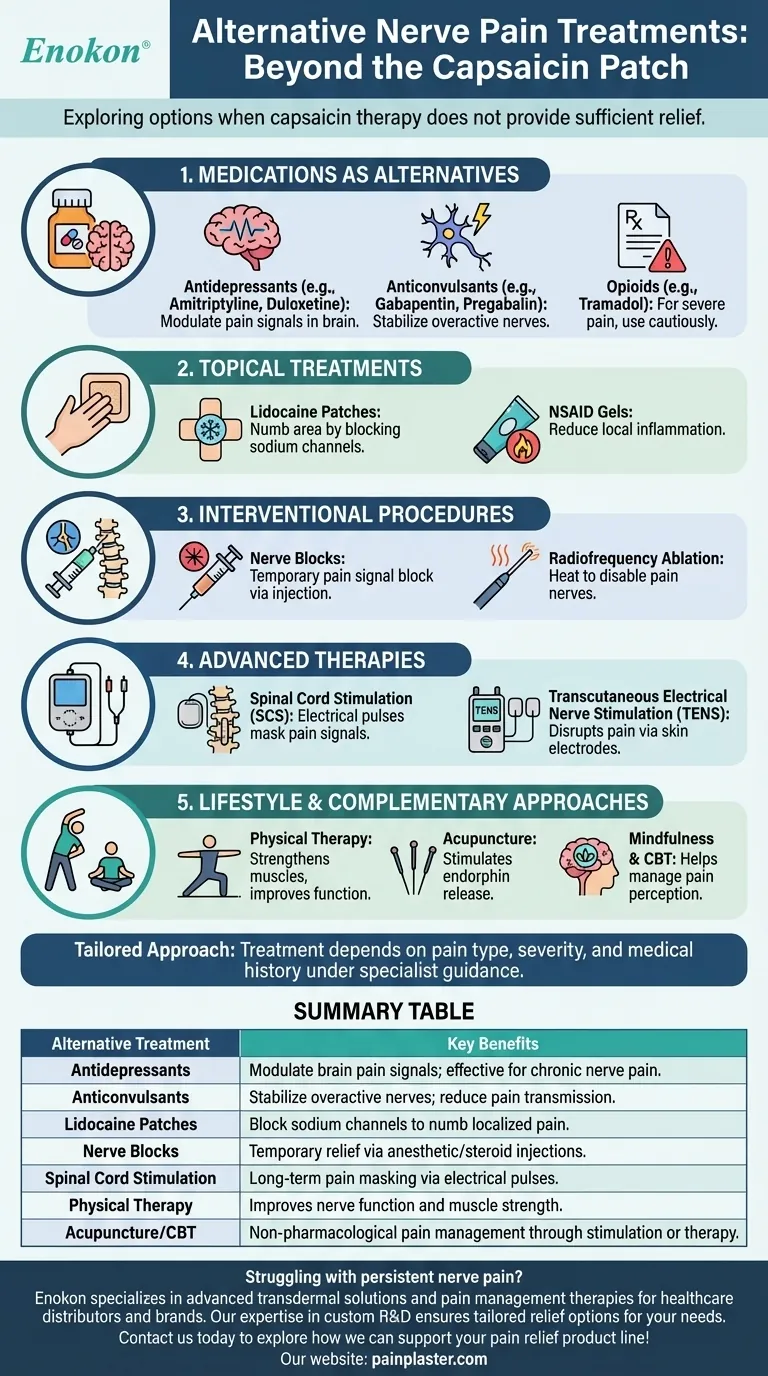
- Antidepressants (e.g., Amitriptyline, Duloxetine): These modulate pain signals in the brain and are often prescribed for chronic nerve pain.
- Anticonvulsants (e.g., Gabapentin, Pregabalin): Originally for epilepsy, these drugs stabilize overactive nerves, reducing pain signals.
- Opioids (e.g., Tramadol): Used cautiously for severe pain but carry addiction risks.
-
Topical Treatments
- Lidocaine Patches: Numb the affected area by blocking sodium channels in nerve endings.
- NSAID Gels: Reduce inflammation locally, though less effective for pure nerve pain.
-
Interventional Procedures
- Nerve Blocks: Injections of anesthetic or steroids to block pain signals temporarily.
- Radiofrequency Ablation: Uses heat to disable pain-transmitting nerves for longer relief.
-
Advanced Therapies
- Spinal Cord Stimulation (SCS): Implanted devices send electrical pulses to mask pain signals.
- Transcutaneous Electrical Nerve Stimulation (TENS): Non-invasive device that disrupts pain signals via skin electrodes.
-
Lifestyle & Complementary Approaches
- Physical Therapy: Strengthens muscles and improves nerve function.
- Acupuncture: May stimulate endorphin release to alleviate pain.
- Mindfulness & Cognitive Behavioral Therapy (CBT): Helps manage pain perception.
Each option should be tailored to the patient’s specific pain type, severity, and medical history, ideally under a specialist’s guidance.
Summary Table:
| Alternative Treatment | Key Benefits |
|---|---|
| Antidepressants | Modulate brain pain signals; effective for chronic nerve pain. |
| Anticonvulsants | Stabilize overactive nerves; reduce pain transmission. |
| Lidocaine Patches | Block sodium channels to numb localized pain. |
| Nerve Blocks | Temporary relief via anesthetic/steroid injections. |
| Spinal Cord Stimulation | Long-term pain masking via electrical pulses. |
| Physical Therapy | Improves nerve function and muscle strength. |
| Acupuncture/CBT | Non-pharmacological pain management through stimulation or therapy. |
Struggling with persistent nerve pain? Enokon specializes in advanced transdermal solutions and pain management therapies for healthcare distributors and brands. Our expertise in custom R&D ensures tailored relief options for your needs. Contact us today to explore how we can support your pain relief product line!
Visual Guide
Related Products
- Capsaicin Chili Medicated Pain Relief Patches
- Heat Relief Capsicum Patch for Lower Back Pain Relief
- Menthol Gel Pain Relief Patch
- Icy Hot Menthol Medicine Pain Relief Patch
- Asthma Cough and Pain Relief Patch for Adults and Kids
People Also Ask
- What conditions should be reported to a care team before using capsaicin patches? Ensure Safe Pain Relief
- What conditions can capsaicin creams and patches help relieve? Find Targeted Pain Relief for Nerves & Joints
- What are the uses of nonprescription capsaicin patches? Natural Pain Relief for Muscles & Joints
- What should be avoided while using capsaicin patches? Essential Safety Tips for Effective Pain Relief
- How are capsaicin patches administered? A Guide to Clinical vs. At-Home Use



















