
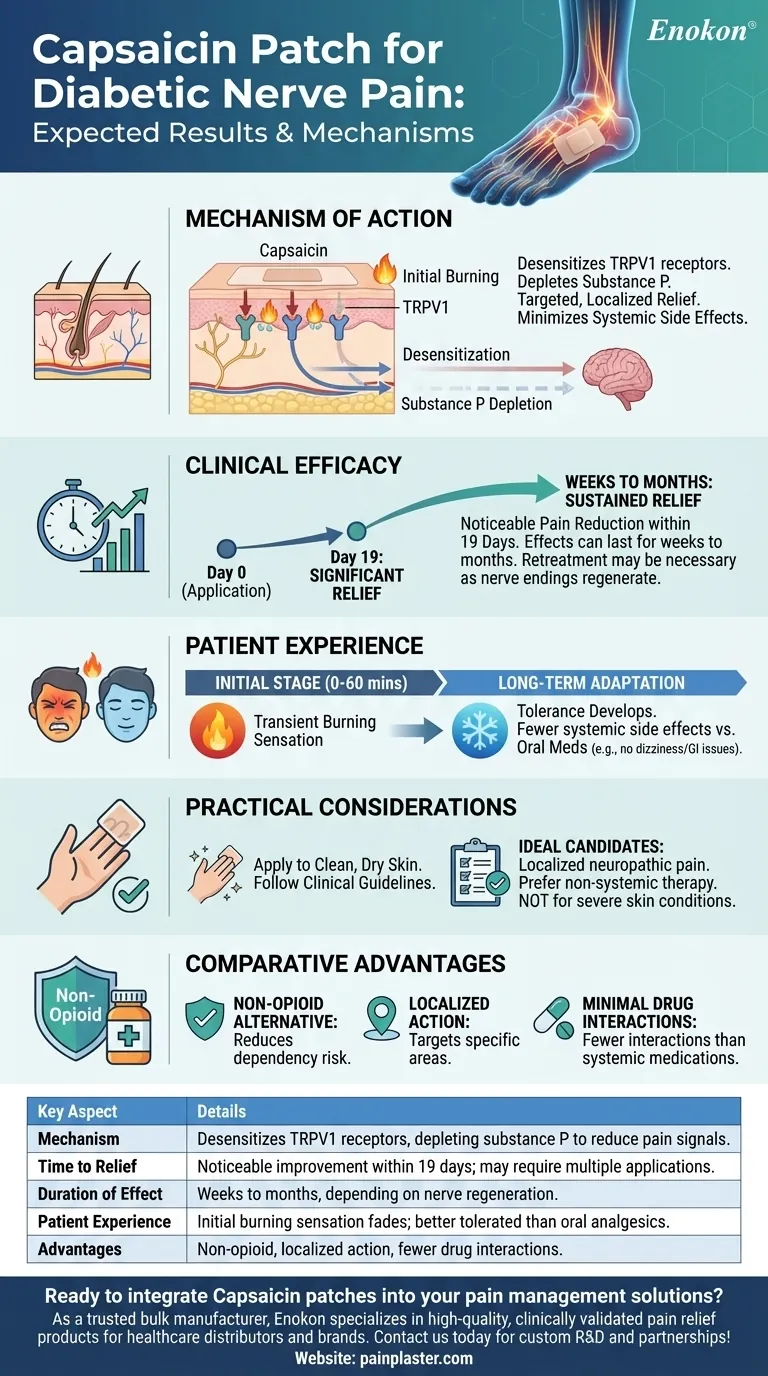
The Capsaicin patch is a promising treatment for diabetic nerve pain, offering targeted relief by desensitizing pain receptors in the affected area. Clinical studies show that a single application can provide significant pain relief within 19 days, with initial burning sensations diminishing over time. This non-opioid option is particularly valuable for patients seeking alternatives to systemic medications, though individual responses may vary based on pain severity and application consistency.
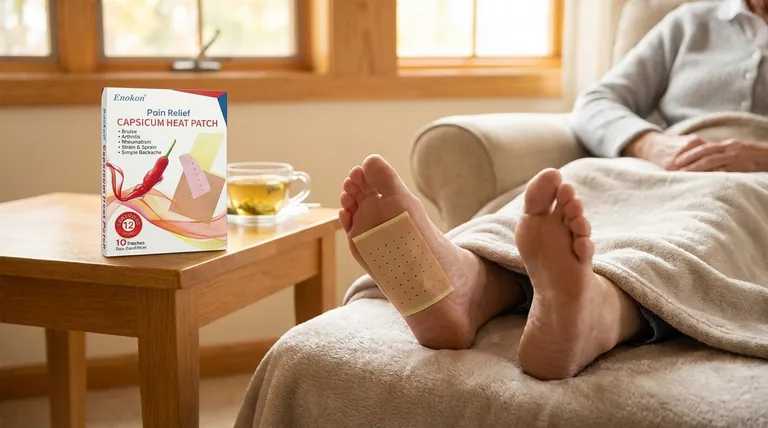
Key Points Explained:
1. Mechanism of Action
- Desensitization: The patch contains capsaicin, which binds to TRPV1 receptors in the skin, initially causing a burning sensation. Over time, repeated use depletes substance P (a pain-signaling neurotransmitter), reducing pain perception.
- Localized Effect: Unlike oral medications, the patch targets specific areas (e.g., feet), minimizing systemic side effects.
2. Clinical Efficacy
- Time to Relief: Studies report noticeable pain reduction within 19 days post-application. Some patients may require multiple applications for sustained relief.
- Duration of Effect: Pain relief can last for weeks to months, though retreatment may be necessary as nerve endings regenerate.
3. Patient Experience
- Initial Discomfort: A transient burning sensation is common during the first 30–60 minutes of application. This typically resolves with continued use.
- Long-Term Tolerance: Most patients adapt to the treatment, with fewer side effects compared to oral analgesics (e.g., dizziness or gastrointestinal issues).
4. Practical Considerations
- Application Protocol: Proper application (e.g., on clean, dry skin) and adherence to clinical guidelines are critical for efficacy.
- Candidacy: Ideal for patients with localized neuropathic pain who prefer non-systemic therapies. Not recommended for those with severe skin conditions or hypersensitivity to capsaicin.
5. Comparative Advantages
- Non-Opioid Alternative: Reduces reliance on opioids, which carry risks of dependency.
- Minimal Drug Interactions: Unlike systemic medications, the patch has fewer interactions with other drugs.
For purchasers, the Capsaicin patch represents a cost-effective option with a favorable safety profile, though patient education on proper use is essential to maximize outcomes. Its role in managing chronic pain aligns with growing demand for targeted, non-addictive therapies.
Summary Table:
| Key Aspect | Details |
|---|---|
| Mechanism | Desensitizes TRPV1 receptors, depleting substance P to reduce pain signals. |
| Time to Relief | Noticeable improvement within 19 days; may require multiple applications. |
| Duration of Effect | Weeks to months, depending on nerve regeneration. |
| Patient Experience | Initial burning sensation fades; better tolerated than oral analgesics. |
| Advantages | Non-opioid, localized action, fewer drug interactions. |
Ready to integrate Capsaicin patches into your pain management solutions?
As a trusted bulk manufacturer of transdermal patches, Enokon specializes in high-quality, clinically validated pain relief products for healthcare distributors and brands. Our expertise in custom R&D ensures tailored solutions for your needs. Contact us today to discuss partnerships or request samples!
Visual Guide
Related Products
- Capsaicin Chili Medicated Pain Relief Patches
- Heat Relief Capsicum Patch for Lower Back Pain Relief
- Lidocaine Hydrogel Pain Relief Patch for Pain Relief
- Icy Hot Menthol Medicine Pain Relief Patch
- Menthol Gel Pain Relief Patch
People Also Ask
- What conditions should be reported to a care team before using capsaicin patches? Ensure Safe Pain Relief
- What conditions can capsaicin creams and patches help relieve? Find Targeted Pain Relief for Nerves & Joints
- What are the uses of nonprescription capsaicin patches? Natural Pain Relief for Muscles & Joints
- What should be avoided while using capsaicin patches? Essential Safety Tips for Effective Pain Relief
- What precautions should be taken when using capsaicin patches? A Guide to Safe and Effective Pain Relief









