
Chinese medicated plasters are widely used for various musculoskeletal and pain-related conditions, offering localized relief through a combination of herbal ingredients and therapeutic mechanisms. They are particularly effective for arthritis pain, muscle aches, joint discomfort, and injuries like strains or sprains. The plasters work by enhancing blood circulation, reducing inflammation, and delivering active ingredients directly to the affected area. Proper application and storage are crucial for maximizing their benefits.
Key Points Explained:
-
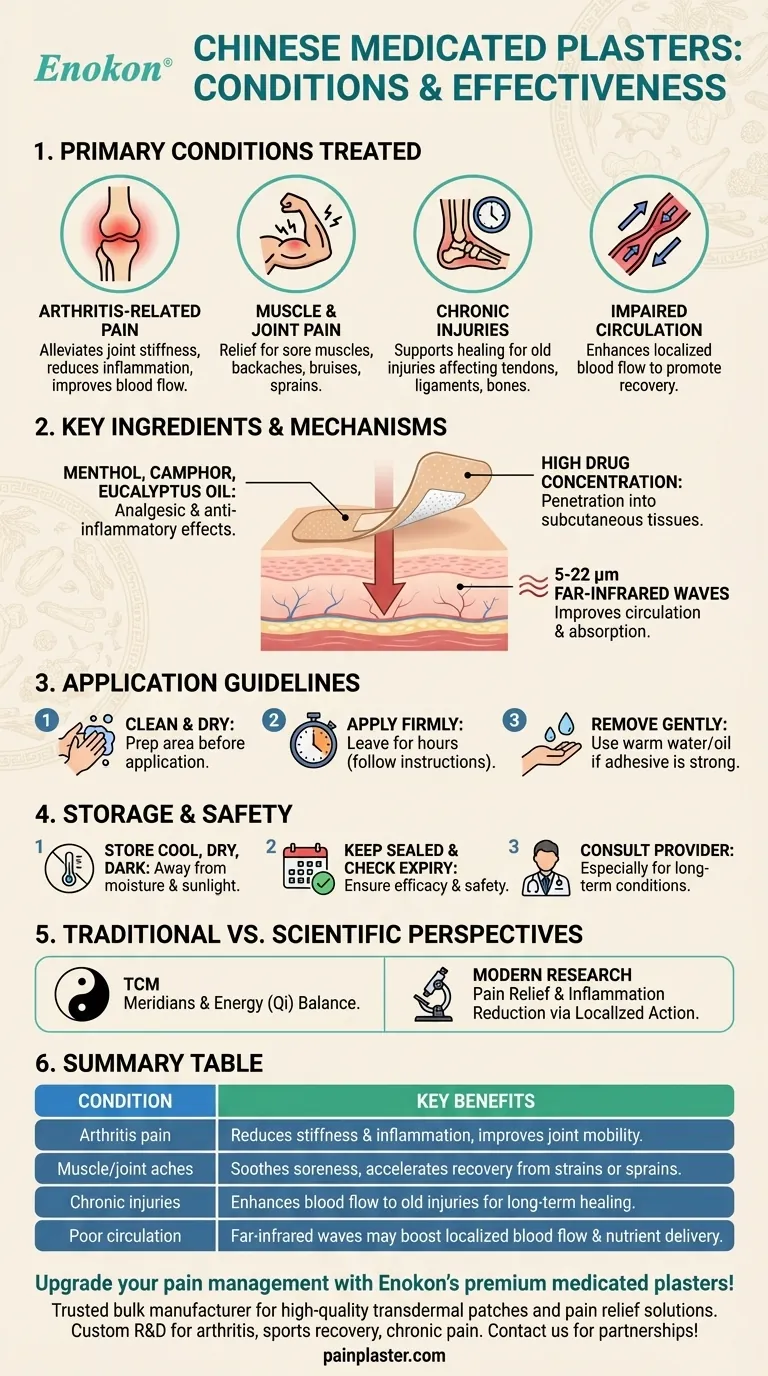
Primary Conditions Treated
Chinese medicated patches are effective for:- Arthritis-related pain: Helps alleviate joint stiffness and discomfort by improving blood flow and reducing inflammation.
- Muscle and joint pain: Provides relief for sore muscles, backaches, and minor injuries like bruises or sprains.
- Chronic injuries: Supports healing for old injuries affecting tendons, ligaments, or bones.
- Impaired circulation: Enhances localized blood flow to promote recovery.
-
Key Ingredients and Mechanisms
- Common ingredients like menthol, camphor, and eucalyptus oil offer analgesic and anti-inflammatory effects.
- The plaster’s adhesive layer creates a high drug concentration at the lesion site, allowing penetration into subcutaneous tissues.
- Far-infrared waves (5–22 µm wavelength) emitted by some plasters may further improve circulation and absorption.
-
Application Guidelines
For optimal results:- Clean and dry the affected area before application.
- Cut the plaster to size and apply firmly, leaving it on for several hours (follow manufacturer instructions).
- Remove gently using warm water or oil if the adhesive is strong.
-
Storage and Safety
- Store in a cool, dry, and dark place, away from moisture and sunlight.
- Keep sealed and check expiration dates to ensure efficacy and safety.
- Consult a healthcare provider before use, especially for long-term conditions like arthritis.
-
Traditional vs. Scientific Perspectives
- Traditional Chinese Medicine (TCM) attributes their effects to meridians and energy (qi) balance, though scientific evidence for these mechanisms remains limited.
- Modern research supports their role in pain relief and inflammation reduction through localized action.
Have you considered how these plasters might complement other treatments in your pain management routine? Their non-invasive nature makes them a convenient option for everyday discomfort, quietly bridging ancient remedies and modern needs.
Summary Table:
| Condition | Key Benefits |
|---|---|
| Arthritis pain | Reduces stiffness and inflammation, improves joint mobility. |
| Muscle/joint aches | Soothes soreness, accelerates recovery from strains or sprains. |
| Chronic injuries | Enhances blood flow to old injuries for long-term healing. |
| Poor circulation | Far-infrared waves may boost localized blood flow and nutrient delivery. |
Upgrade your pain management with Enokon’s premium medicated plasters!
As a trusted bulk manufacturer, we specialize in high-quality transdermal patches and pain relief solutions tailored for healthcare distributors and brands. Benefit from our expertise in custom R&D to develop plasters that meet your specific needs—whether for arthritis, sports recovery, or chronic pain.
Contact us today to discuss partnerships or product development!
Visual Guide
Related Products
- Capsaicin Chili Medicated Pain Relief Patches
- Prostate Pain Kidney Health Care Patch for Men
- Heat Relief Capsicum Patch for Lower Back Pain Relief
- Asthma Cough and Pain Relief Patch for Adults and Kids
- Natural Herbal Wormwood Patch Pain Plaster
People Also Ask
- What conditions should be reported to a care team before using capsaicin patches? Ensure Safe Pain Relief
- What conditions can capsaicin creams and patches help relieve? Find Targeted Pain Relief for Nerves & Joints
- What are the uses of nonprescription capsaicin patches? Natural Pain Relief for Muscles & Joints
- What should be avoided while using capsaicin patches? Essential Safety Tips for Effective Pain Relief
- How are capsaicin patches administered? A Guide to Clinical vs. At-Home Use










