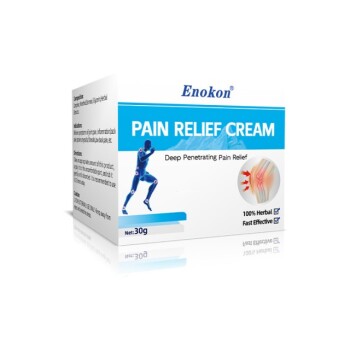
Chemical excipients like Isopropyl Myristate (IPM) are fundamental to transdermal delivery because they overcome the skin’s natural barrier. These substances act as potent permeation enhancers that increase drug solubility and modulate the lipid structure of the skin, ensuring active ingredients reach therapeutic levels in the bloodstream quickly and consistently.
For brand owners and distributors, the inclusion of Isopropyl Myristate represents a strategic choice to balance high bio-availability with skin compatibility. It transforms a simple topical application into a sophisticated, high-performance medical or cosmetic delivery system.
Enhancing Bioavailability through Permeation Science
Disrupting the Stratum Corneum Barrier
The stratum corneum is the skin's primary defense, often preventing large or hydrophilic molecules from passing through. Isopropyl Myristate (IPM) works by temporarily disrupting the tightly packed lipid bilayer of this layer, reducing barrier resistance. This allows the active pharmaceutical ingredient (API) to penetrate deeper and more efficiently than a standard topical cream.
Optimizing the Partition Coefficient
For a drug to move from a patch or gel into the skin, it must be "pushed" by its chemical environment. IPM adjusts the partition coefficient, creating an ideal balance where the drug is soluble enough to remain stable in the carrier but eager enough to migrate into the skin's lipids. This ensures a higher percentage of the drug is actually released and utilized rather than remaining trapped in the patch.
Shortening Therapeutic Response Time
In the competitive B2B market, the speed of action is a key product differentiator. By altering the diffusion rate within the carrier, chemical excipients significantly shorten the response time required to reach therapeutic concentrations. This makes the final product more effective for patients and more marketable for resellers.
Engineering Product Stability and Wearability
Acting as a Multi-Functional Plasticizer
In transdermal patch manufacturing, IPM serves a dual purpose as both an enhancer and a plasticizer. It increases the flexibility and plasticity of the pressure-sensitive adhesive system, allowing the patch to contour to the body. This ensures the patch remains adhered during movement, reducing the risk of product failure or "lift-off" during the wear period.
Creating High-Purity Binary Systems
Advanced R&D often utilizes IPM in combination with other solvents, such as ethanol, to form a binary penetration enhancement system. These systems provide a synergistic effect that exceeds the performance of any single ingredient. For high-volume manufacturers, using high-purity, industrial-grade IPM ensures that these complex systems remain stable across massive production batches.
Compatibility with Advanced Delivery Formulations
Modern transdermal solutions often utilize microemulsions or Solid-in-Oil (S/O) nano-dispersions. IPM acts as an ideal continuous phase carrier for these systems due to its excellent skin affinity and lipophilicity. This versatility allows brand owners to develop diverse product lines—from protein-based delivery to hydrophobic drug patches—using a consistent, trusted excipient.
Understanding the Trade-offs
Balancing Potency and Irritation
While increasing the concentration of permeation enhancers can improve drug flux, it can also lead to skin irritation. Technical precision in formulation is required to find the "sweet spot" where permeability is maximized without compromising skin safety. High-quality R&D focuses on using IPM because of its established history of low irritation and high skin compatibility compared to harsher chemical enhancers.
Formulation Sensitivity to Environment
Because IPM influences the fluidity of lipids and adhesives, formulations must be rigorously tested for stability across different climates. At an enterprise manufacturing level, this requires stringent quality control to ensure that the ratio of excipients remains stable, preventing the active ingredients from crystallizing or the adhesive from becoming too "oozy" in warmer temperatures.
Choosing the Right Strategy for Your Brand
How to Apply This to Your Project
Selecting the right excipient profile is critical for meeting your specific market demands and regulatory requirements.
- If your primary focus is rapid-acting relief: Prioritize formulations using IPM in binary systems with ethanol to maximize immediate transdermal flux.
- If your primary focus is long-wear patches or sports applications: Ensure IPM is utilized as a plasticizer within the adhesive matrix to maintain flexibility and adhesion during physical activity.
- If your primary focus is premium, low-irritation skincare or medical products: Leverage IPM’s high skin affinity to create "clean" formulations that deliver results without the redness associated with other enhancers.
The strategic use of Isopropyl Myristate allows brands to deliver high-capacity, GMP-certified solutions that meet the rigorous efficacy standards of the global transdermal market.
Summary Table:
| Key Function | Technical Mechanism | Strategic Benefit for Brands |
|---|---|---|
| Permeation Enhancer | Disrupts the stratum corneum lipid bilayer | Faster therapeutic response and higher bioavailability. |
| Partitioning Agent | Optimizes drug solubility and migration | Higher drug release rate from patch to skin. |
| Plasticizer | Increases adhesive flexibility and contouring | Enhanced patch wearability, adhesion, and user comfort. |
| Stability Agent | Creates high-purity binary delivery systems | Reliable product performance across different climates. |
| Carrier Phase | Acts as continuous phase for nano-dispersions | Versatility for complex APIs (protein-based or hydrophobic). |
Scale Your Brand with Enokon’s Advanced Transdermal Solutions
Maximize your product's market impact by partnering with Enokon, a trusted manufacturer specializing in high-performance transdermal drug delivery systems. We offer brand owners and B2B distributors a seamless turnkey experience—from custom R&D and advanced formulations (utilizing high-purity excipients like Isopropyl Myristate) to high-volume, GMP-certified production.
Our Core Expertise Includes:
- Custom R&D: Tailored formulations for Lidocaine, Menthol, Capsicum, and Herbal pain relief.
- Massive Capacity: Reliable high-volume delivery for global wholesalers and resellers.
- Diverse Portfolio: Medical cooling gels, eye protection, detox patches, and more (excluding microneedles).
- Reliable OEM/ODM: Stringent quality control and global certifications to ensure your brand's integrity and profit margins.
Ready to elevate your product line with superior transdermal technology?
Contact Enokon Experts Today to discuss your wholesale or custom formulation needs!
References
- Laurent Simon. A Computational Procedure for Assessing the Dynamic Performance of Diffusion-Controlled Transdermal Delivery Devices. DOI: 10.3390/pharmaceutics3030485
This article is also based on technical information from Enokon Knowledge Base .
Related Products
- Icy Hot Menthol Medicine Pain Relief Patch
- Asthma Cough and Pain Relief Patch for Adults and Kids
- Herbal Medicated Anti Diarrhea Patch for Digestive Relief
- Far Infrared Pain Patch Relief Pain Reliever for Back
- Herbal Pain Relief Cream Pain Relieving Creams
People Also Ask
- What are the key components of a pain relief patch? Unlock the Science of Targeted Pain Relief
- What is the duration of pain relief provided by the patches? Find the Right Patch for Your Pain
- When should the pain relief patch not be used? Key Safety Rules to Avoid Risks
- What is the shelf-life of the pain relief patch? Ensure Potency and Safety for Your Patients
- What factors should be considered when choosing between pills and patches for pain relief? A Guide to Personalized Pain Management