
The Illusion of Simplicity
A transdermal patch is a marvel of medical engineering. It feels like a simple sticker, an elegant solution that bypasses needles and pills. This perceived simplicity is its greatest strength and, from a psychological standpoint, its most subtle risk.
We tend to anchor our perception of risk to the complexity of the delivery method. An injection feels serious. A daily pill is a ritual. A patch, however, can feel passive—a "set it and forget it" device. But the body doesn't see a sticker. It sees a constant, direct infusion of a powerful hormone. This silent dialogue between the patch and the patient's physiology requires a robust framework of clinical vigilance, especially at the extremes of the human lifespan.
The Developing System: Pediatric Precautions
Applying adult hormonal therapy to a child is not a matter of simply adjusting the dose. A child's endocrine system is a work in progress, a dynamic environment where hormonal signals guide fundamental development.
An Unwritten Protocol
For testosterone, the clinical safety data for pediatric use is largely absent. The therapy is reserved for confirmed cases of hormone deficiency, as the risks are significant. Introducing external testosterone can trigger premature puberty or, more critically, interfere with the growth plates in bones, potentially stunting final adult height. The system is too sensitive and the long-term consequences too uncertain for casual use.
The Risk of Secondary Exposure
The responsibility extends beyond the patient. A caregiver, particularly one who is or may become pregnant, can be exposed to testosterone through skin-to-skin contact with the patch application site. This necessitates strict protocols and clear education—a reminder that the drug's effects are not confined to the patient's skin.
The Seasoned System: Geriatric Risks
At the other end of life, the body is a system with decades of operational history. It's more complex, carrying the legacy of past conditions and a reduced capacity for physiological stress. For an elderly patient, testosterone therapy is an intervention that must be carefully balanced against pre-existing vulnerabilities.
The Prostate Question
Testosterone can stimulate the growth of prostate tissue. For older men, who are already at higher risk for benign prostatic hyperplasia (BPH) and prostate cancer, this is a primary concern. It’s non-negotiable:
- Baseline & Periodic PSA: Prostate-specific antigen (PSA) levels must be monitored before and during therapy.
- Physical Exams: Regular digital rectal exams are mandatory to detect physical changes.
- Symptom Awareness: Any new urinary symptoms, like difficulty or frequency, are a red flag requiring immediate medical evaluation.
The Cardiovascular Load
Testosterone can also impact the cardiovascular system by increasing hematocrit—the concentration of red blood cells. This thickens the blood, raising the risk of clotting events like stroke or heart attack.
- Blood Monitoring: Regular blood tests are essential to ensure hematocrit remains within a safe range.
- Vital Signs: Blood pressure must be checked at every visit.
- Lipid Profiles: The hormone can alter cholesterol levels, necessitating periodic lipid monitoring.
The Universal Operating Manual
Regardless of age, the transdermal patch is an interface that requires a clear operating manual to ensure both safety and efficacy. This isn't just about proper application; it's about understanding how this new input interacts with the entire system.
| Precaution Category | Key Action | Rationale |
|---|---|---|
| Application Integrity | Rotate application sites (back, abdomen, arms) with a 7-day rest period. | Prevents skin irritation and ensures consistent absorption. |
| Diagnostic Awareness | Remove the patch 24 hours before an MRI scan. | The patch's metallic components can cause skin burns during MRI. |
| System Comorbidities | Adjust dose for liver/kidney impairment; screen for sleep apnea. | These conditions alter drug metabolism and increase risks. |
| Behavioral Monitoring | Watch for mood swings, aggression, or signs of dependency. | Testosterone can have significant neuropsychiatric effects. |
The Engineering Foundation of Trust
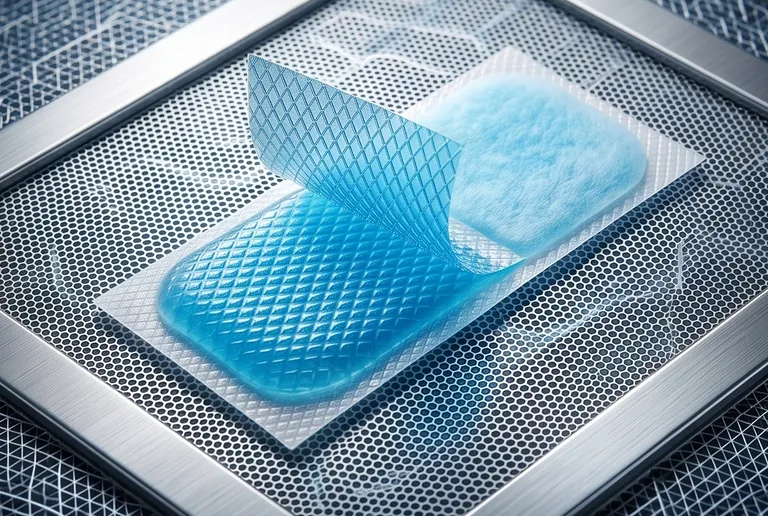
A doctor’s careful protocol and a patient’s diligence are only half of the equation. They both place their trust in the patch itself—in its material science, its adhesive, and most importantly, its precise, consistent delivery of the active ingredient.
Any variability in dosage from a poorly manufactured patch can undermine the entire therapeutic strategy. A patch that releases too much hormone could heighten cardiovascular risks, while one that releases too little renders the treatment ineffective. The reliability of the patch is not a feature; it is the absolute foundation of its clinical utility.
This is the critical role of specialized manufacturers. At Enokon, we engineer and produce transdermal systems where precision is paramount. Our expertise in bulk manufacturing and custom R&D provides healthcare brands and distributors with the reliable foundation they need to deliver therapies safely. The clinical framework is only as strong as the product it relies on.
Effective and safe hormone therapy is an exercise in systemic thinking, from the physician's diagnosis to the patient's daily life, all built upon a product engineered for trust. Contact Our Experts
Related Products
- Silicone Scar Sheets Patch Transdermal Drug Patch
- Far Infrared Heat Pain Relief Patches Transdermal Patches
- Icy Hot Menthol Medicine Pain Relief Patch
- Menthol Gel Pain Relief Patch
- Prostate Pain Kidney Health Care Patch for Men
Related Articles
- Beyond the Pouch: The Critical Engineering of Transdermal Patch Integrity
- Beyond the Adhesive: The Unseen Engineering of Safe Transdermal Drug Delivery
- The Paradox of the Patch: Deconstructing the Science of Skin-Contact Safety
- The Adhesion Paradox: Engineering Transdermal Patches for Real-World Human Behavior
- Beyond the Counter: The Hidden Engineering of Trust in Pain Management












