
The Illusion of Simplicity
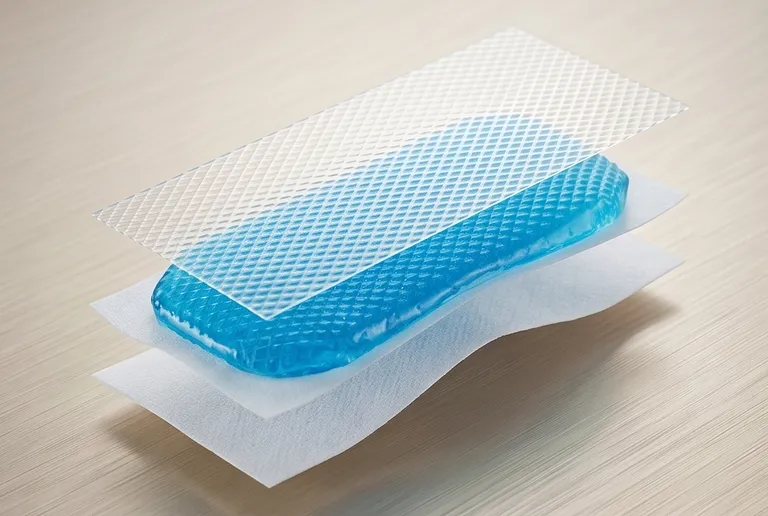
A transdermal patch is an elegant piece of technology. It’s a self-contained, sealed system that promises a simple, non-invasive solution: steady, controlled delivery of a potent molecule directly into the bloodstream.
This simplicity is deceptive.
The patch itself may be simple, but the environment it interacts with—the human body—is infinitely complex. The psychological trap here is the availability heuristic. We focus on the most common, visible side effect (mild skin irritation) and unconsciously underestimate the low-probability, high-impact events that can occur once the active ingredient permeates the skin.
The real challenge isn't just making a patch that sticks; it's engineering a delivery system that respects the complex biological network it becomes part of.
When Local Delivery Becomes Systemic Risk

While most side effects are localized and benign, a small percentage of patients can experience systemic reactions. These are not failures of the patch's location, but consequences of its core function. They serve as critical reminders that we are intervening in a delicately balanced system.
These rare events often fall into three interconnected categories of systemic disturbance.
The Silent Signals: Urinary and Renal Pathways
The first signs of a systemic issue may not be dramatic. They can be subtle signals from the body's filtration and waste management systems.
- Symptoms: Bladder pain, cloudy or bloody urine, or a change in urinary frequency.
- The Underlying Cause: These symptoms can indicate irritation of the urinary tract or, more concerningly, signal androgen-driven changes to the prostate. They are the body’s early warning system that the hormonal intervention is causing stress on core regulatory functions.
The Rhythmic Disturbance: Cardiovascular and Neurological Impact
When a hormone is introduced externally, the body's central command centers—the cardiovascular and nervous systems—must adapt. For some individuals, this adaptation is disruptive.
- Symptoms: Pounding in the ears, an irregular heartbeat, dizziness, or blurred vision.
- The Psychological Weight: These are not just physical symptoms; they are deeply unsettling. An unpredictable heartbeat or sudden dizziness erodes a patient's sense of control and safety, creating anxiety that can be more distressing than the symptom itself. It’s a physiological ripple effect that becomes a psychological burden.
The Feedback Cascade: Endocrine and Psychological Responses
The body's endocrine system operates on a series of sensitive feedback loops. Introducing external testosterone sends a powerful signal to the brain to shut down natural production.
- Symptoms: Testicular changes (shrinkage or pain), and psychological shifts like irritability or mood swings.
- The Systemic Truth: This demonstrates the most fundamental principle of hormone therapy: you cannot alter one part of the endocrine system without affecting the whole. The testicular changes are a direct, physical manifestation of this feedback loop, while the mood shifts are its neurological echo.
The Manufacturing Mandate: Engineering for the Edge Cases
For a healthcare brand or distributor, a single severe adverse event can undermine trust far more than a hundred cases of mild skin irritation. This is where the focus must shift from the patient's reaction to the manufacturer's responsibility.
Mitigating these rare but serious risks is not a matter of chance; it is a function of engineering and manufacturing discipline. The quality of a transdermal patch is defined by its performance at the margins, in the physiological edge cases.
This responsibility is centered on three key pillars:
-
Formulation Stability & Release Profile: A patch must release its active ingredient at a truly constant, predictable rate. Any sudden spike or "dose dumping" can shock the system, potentially triggering the cardiovascular or neurological events discussed. This requires deep expertise in polymer matrices and drug crystallization.
-
Adhesive and Material Biocompatibility: The adhesive is not just for adhesion. It is the primary interface between the device and the body. An advanced, biocompatible adhesive minimizes local irritation, which in turn prevents a localized inflammatory response from altering drug absorption rates and creating systemic unpredictability.
-
Purity and Excipient Control: Every component in the patch, from the backing film to the excipients in the drug matrix, must be pure and inert. Unforeseen reactions are often caused by contaminants or poorly chosen materials that interact with the patient's unique biology.
At Enokon, we build patches for the 0.1%. As a bulk manufacturer, our R&D is focused on creating reliable, stable, and pure transdermal systems because we understand that patient safety and brand reputation are built on consistency. It's an engineer's mandate to control every variable possible, ensuring the product is predictable even when the patient's biology isn't.
For brands and distributors committed to delivering this level of patient safety and product reliability, the conversation begins with the right manufacturing partner. Contact Our Experts
Related Products
- Silicone Scar Sheets Patch Transdermal Drug Patch
- Far Infrared Heat Pain Relief Patches Transdermal Patches
- Icy Hot Menthol Medicine Pain Relief Patch
- Menthol Gel Pain Relief Patch
- Prostate Pain Kidney Health Care Patch for Men
Related Articles
- Beyond the Pouch: The Critical Engineering of Transdermal Patch Integrity
- Beyond the Adhesive: The Unseen Engineering of Safe Transdermal Drug Delivery
- The Paradox of the Patch: Deconstructing the Science of Skin-Contact Safety
- The Adhesion Paradox: Engineering Transdermal Patches for Real-World Human Behavior
- Beyond the Counter: The Hidden Engineering of Trust in Pain Management












