
The Unseen Cost of a Common Solution
Picture this: a dull, persistent ache in the knee. The instinct for millions is to reach for a pill—an oral NSAID like ibuprofen or naproxen. We swallow it, and within the hour, the pain subsides.
This act feels effective, complete. Psychologically, we equate the pill with a powerful, system-wide solution. But this is a cognitive shortcut. We are using a system-wide broadcast to solve a local problem.
For a single aching joint, the medicine travels through the entire bloodstream. It's an effective but blunt instrument, and like any blunt instrument, it can cause collateral damage.
The Flaw in the Systemic Approach
When an oral NSAID enters your digestive system, it's absorbed into the bloodstream and circulated everywhere. It doesn't just go to your knee; it goes to your stomach lining, your kidneys, and your cardiovascular system.
This systemic exposure is the root cause of its most well-known side effects. The drug can inhibit prostaglandins that protect the stomach lining, leading to ulcers or bleeding. It can affect kidney function and increase blood pressure.
For many, this is an acceptable trade-off for acute pain. But for chronic conditions, the calculus changes. The daily use of a systemic solution for a localized issue introduces a low-grade, long-term risk that is often unnecessary.
A More Elegant Engineering: The Logic of Localized Delivery
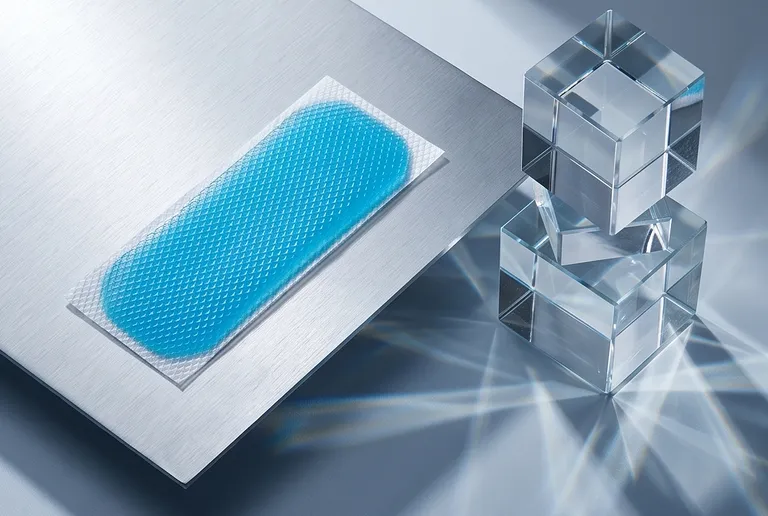
What if, instead of a system-wide broadcast, we could send a targeted message directly to the source of the pain?
This is the engineering principle behind transdermal patches and topical NSAIDs. The medicine is delivered directly through the skin to the inflamed tissues and joints beneath. It's the difference between shutting down the entire city's power grid to fix a single faulty streetlight and sending a repair crew directly to the pole.
The result is a high concentration of the active ingredient where it's needed most, and a dramatically lower concentration in the bloodstream. This simple shift in delivery mechanism fundamentally changes the risk-benefit equation.
Identifying the Ideal Candidates for a Targeted Approach

This precision makes topical delivery systems a superior choice for specific groups of people who are disproportionately affected by the risks of oral medications.
For Pain You Can Point To
Topical NSAIDs are most effective for localized pain in smaller, superficial joints—the hands, knees, elbows, and ankles. The drug only has to penetrate a short distance to reach the source of inflammation, making it highly efficient. Deeper joints like the hip are simply too far from the surface for effective absorption.
For the Generation That Built Our World
As we age, our bodies become less resilient to the systemic stress of oral NSAIDs. For adults over 65, the risks of gastrointestinal bleeding and cardiovascular events are significantly higher. A topical patch bypasses the digestive tract entirely, offering a profound sense of safety and control for those managing chronic arthritis pain. This isn't just a physiological benefit; it's a psychological one.
For Those with a History of Internal Conflict
Individuals with sensitive stomachs, acid reflux, or a history of ulcers live with a constant awareness of what they put into their bodies. For them, oral NSAIDs represent a known antagonist. Topical solutions avoid this internal conflict, providing relief without triggering a battle in the gut.
Who Benefits Most from Topical NSAIDs: A Quick Guide
| Key Group | Primary Benefit | Considerations |
|---|---|---|
| Localized Joint Pain | Targeted relief for hands, knees, elbows, ankles. | Less effective for deep joints like hips. |
| Older Adults (65+) | Reduces gastrointestinal & cardiovascular risks vs. oral NSAIDs. | Requires consistent application for optimal results. |
| Sensitive Stomach/Ulcer History | Avoids direct stomach irritation by bypassing the digestive system. | Always check for potential skin sensitivity. |
| Patients Avoiding Systemic Risk | Minimizes strain on kidneys and potential changes to blood pressure. | Not a substitute for conditions requiring oral medication. |
The Engineering Challenge: From Concept to Consistent Relief
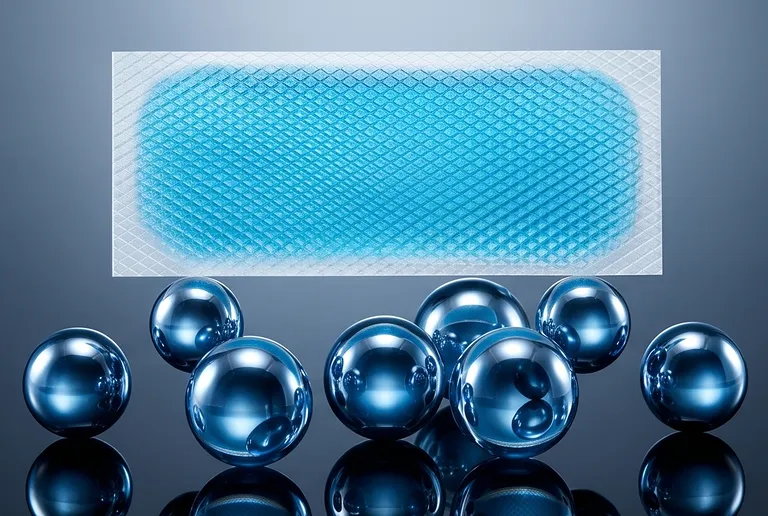
The elegance of the transdermal concept hinges on execution. A pain relief patch is more than just a drug; it's a complex delivery system. The adhesive must be strong yet gentle. The formulation must allow the active ingredient to penetrate the skin barrier at a steady, predictable rate.
This is where pharmaceutical engineering meets patient-centric design. It's a challenge of chemistry, material science, and manufacturing precision.
At Enokon, we specialize in solving this very engineering problem. As a bulk manufacturer of reliable transdermal patches and pain plasters, we partner with healthcare distributors and pharmaceutical brands to bring these safer, targeted solutions to market. Our expertise in custom R&D ensures that the final product delivers on its promise of consistent, localized relief.
The future of pain management isn't just about discovering new molecules; it's about delivering existing ones more intelligently. By shifting from systemic force to local precision, we offer a more refined and responsible way to manage chronic pain.
If your goal is to provide patient populations with safer, more targeted pain relief solutions, the delivery mechanism is as critical as the active ingredient. Contact Our Experts
Related Products
- Capsaicin Chili Medicated Pain Relief Patches
- Icy Hot Menthol Medicine Pain Relief Patch
- Natural Herbal Tube Cream for Pain Relief Analgesic Cream
- Menthol Gel Pain Relief Patch
- Herbal Pain Relief Cream Pain Relieving Creams
Related Articles
- The Capsaicin Paradox: How a Pain-Inducer Becomes a Pain-Reliever
- The Capsaicin Paradox: When the Cure Creates the Pain
- Beyond Efficacy: The Psychology of Adherence in Topical Pain Relief
- More Than a Sticker: The Hidden Engineering of a Safe Pain Patch
- The Architecture of Relief: Deconstructing the Modern Pain Patch





