The Anatomy of a Parent's First Fear
There are few events as psychologically jarring for a new parent as their newborn’s first fever. The world shrinks to the size of a crib. Every cry, every warm flush of the skin feels like a high-stakes signal in a language you don't yet speak.
In this moment of vulnerability, the search for a solution is immediate. We crave tools that offer not just relief for the child, but reassurance for ourselves. The cooling patch emerges as a marvel of modern convenience—a simple, self-contained, and silent tool for a complex and noisy problem.
But its simplicity is deceptive. Applying this technology to the delicate system of a newborn requires a deep understanding of where its elegant engineering ends and the intricate physiology of an infant begins.
A Simple Tool for a Complex System
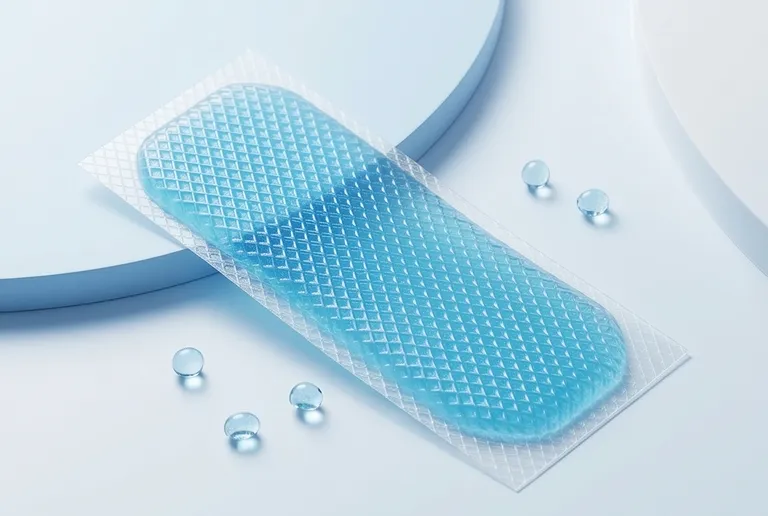
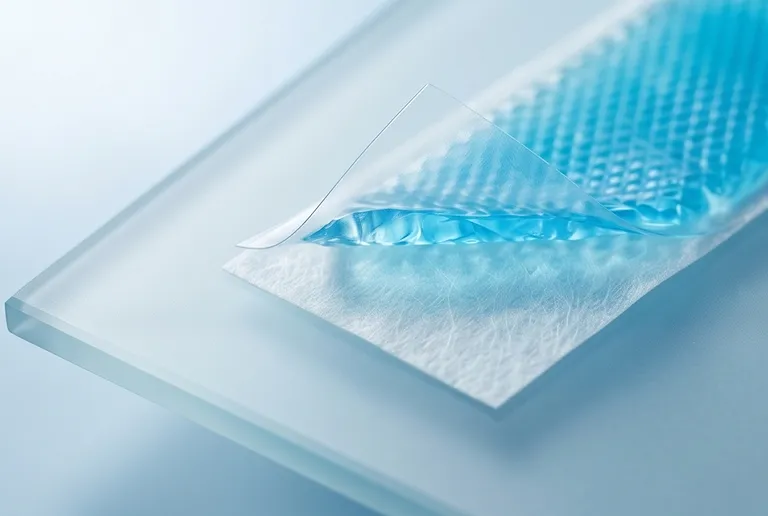
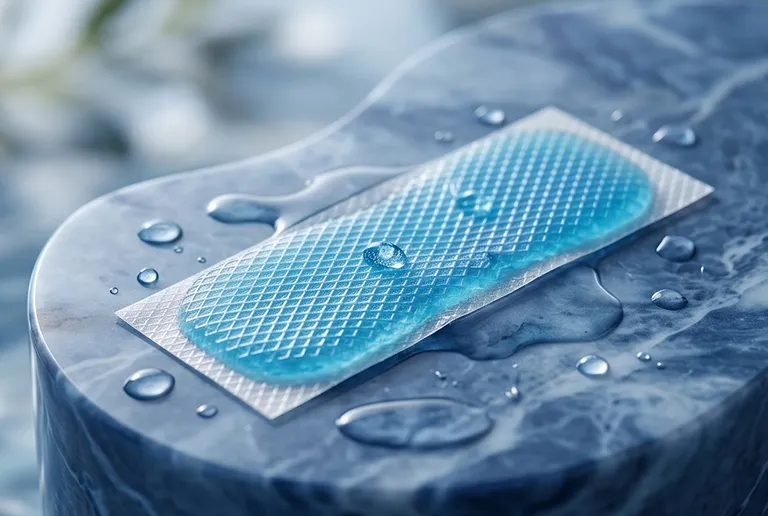
A cooling patch is a feat of material science. It’s a hydrogel matrix designed for passive heat transfer, held in place by a medical-grade adhesive. It promises continuous, gentle cooling without the shivering shock of a wet cloth or the systemic intervention of medication.
It works beautifully. But the system it's applied to—a newborn—is the most complex variable.
The Fragility of a Newborn's Thermostat
Infants, particularly those under six months, are not miniature adults. Their core systems are still under construction.
- Immature Skin Barrier: A newborn's skin is thinner and more permeable, making it more susceptible to irritation from adhesives and absorption of substances.
- Developing Thermoregulation: Their ability to control body temperature is fragile. An intervention that is merely "cool" for an adult could be a significant thermal event for a tiny body.
This is why the first and most critical rule is not found on the patch itself, but in a conversation: consult a pediatrician before using any cooling patch on an infant under six months old.
The Protocol of Prudence: Rules of Engagement
Using a cooling patch on an infant isn't a single action, but a process of careful observation. The goal is not just to lower a number on a thermometer, but to provide comfort safely.
The Six-Month Threshold: A Non-Arbitrary Line
The six-month mark is a significant milestone in pediatric health. It represents a point where the infant’s immune system, skin integrity, and thermoregulatory capabilities have matured considerably. Before this line, professional medical guidance is not just recommended; it is essential.
Application is More Than Placement
Proper use demands diligence. The patch must be applied to clean, dry, and unbroken skin—typically the forehead. But the work begins after it’s applied.
- Constant Monitoring: Check the underlying skin frequently for any signs of redness or irritation.
- Supervised Use: Never apply a patch to a sleeping infant without supervision.
- Immediate Removal: If any discomfort or skin reaction appears, remove the patch instantly.
Recognizing the Boundary of a Tool
It is psychologically tempting to see the patch as a cure. It is not. It is a tool for symptomatic relief and comfort. It complements, but never replaces, the essentials:
- Medical Evaluation: A high or persistent fever in a newborn always warrants a call to the doctor.
- Hydration and Rest: These are the primary pillars of recovery.
The patch is a temporary aid, designed to be discarded once its hydrogel dries. Its value lies in its limitations.
Designing for the Most Delicate User
For manufacturers, creating a cooling patch for pediatric use is an exercise in balancing conflicting engineering demands. The product must be effective yet gentle, adhesive yet easily removable, and materially inert.
This challenge transforms a simple consumer product into a specialized medical device. The R&D process must be governed by the physiological realities of its intended user.
| Engineering Challenge | Physiological Consideration (Newborn) | The Enokon Solution |
|---|---|---|
| Adhesion | Extremely delicate and permeable skin. | Development of gentle, hypoallergenic, medical-grade adhesives that hold firm but release without causing skin trauma. |
| Cooling Rate | Unstable thermoregulation; risk of over-cooling. | Precisely calibrated hydrogel formulations that provide a slow, steady, and gentle heat transfer, preventing thermal shock. |
| Material Safety | High potential for skin sensitivity and reactions. | Strict sourcing of biocompatible, non-toxic materials, ensuring the entire patch is inert and safe for prolonged contact. |
| Size & Fit | Small, curved forehead anatomy. | Ergonomic designs and sizing specific to infants, ensuring optimal skin contact and comfort without impeding movement. |
A successful pediatric cooling patch is not just a product; it's a testament to a design philosophy rooted in safety and physiological respect. It acknowledges that for the most vulnerable users, there is no margin for error.
This is the level of technical detail and care required to build trust with parents, healthcare providers, and the brands that serve them. It's about engineering reassurance, one patch at a time. For healthcare brands and distributors committed to this level of safety and efficacy in their transdermal products, we can help you build the best solution. Contact Our Experts
Related Products
- Medical Cooling Gel Patches for Fever Cooling Patches
- Hydra Gel Health Care Eye Patch
- Cooling Fever Patches Color Change Cold Fever Patch
- Lidocaine Hydrogel Pain Relief Patch for Pain Relief
- Asthma Cough and Pain Relief Patch for Adults and Kids
Related Articles
- The Quiet Engineering of Comfort: Decoding the 8-Hour Lifespan of a Cooling Patch
- The Silent Guardian: Deconstructing the Engineering of Nighttime Cooling Patches
- The Quiet Genius of the Cooling Patch: Beyond the Fever
- The Elegant Physics of Comfort: How Hydrogel Patches Master Heat Transfer
- Beyond Size: The Hidden Physiology in Cooling Patch Design





