The Allure of the Quick Fix
A person with chronic knee pain wakes up to a familiar, unwelcome ache. Their first instinct, shaped by a lifetime of conditioning, is to reach for a pill. The desire is simple and deeply human: make the pain stop, now.
We are psychologically wired to value immediate results. In the calculus of pain management, speed often feels like the most important variable. But what if the fastest solution carries a hidden, long-term cost? This question forces a critical look at how we deliver relief, pitting the shotgun blast of an oral pill against the precision of a topical patch.
Two Paths to Relief: Systemic vs. Targeted
The difference between taking an NSAID orally and applying it topically is not just a matter of preference; it's a fundamental distinction in physiological strategy. One floods the entire system, while the other delivers its payload directly to the source of the conflict.
The Systemic Gambit of Oral NSAIDs
When you swallow a pill, it enters the bloodstream and travels throughout the entire body. This systemic approach is effective for widespread pain and delivers relief within hours.
But it’s an indiscriminate strategy. The drug doesn't just go to your sore knee; it goes to your stomach lining, your kidneys, and your cardiovascular system. This widespread exposure is the primary reason for the well-documented side effects:
- Gastrointestinal distress and ulcers
- Increased strain on the kidneys
- Potential for adverse drug interactions
For short-term, acute pain, this trade-off might be acceptable. For chronic conditions, it becomes a dangerous long-term bet.
The Precision of Transdermal Delivery
Topical NSAIDs, delivered via patches or plasters, represent a more elegant engineering solution. The drug is designed to penetrate the layers of the skin and concentrate in the underlying tissues—the exact location of the pain.
This method results in high drug concentration at the site of inflammation but keeps plasma concentrations low. By avoiding a "first pass" through the digestive system and liver, it minimizes systemic exposure. The body as a whole is shielded from the collateral damage.
The trade-off? Time. It can take up to a week for the medication to build up in the local tissue and for the patient to feel significant relief.
Re-engineering the Equation: Time vs. Risk
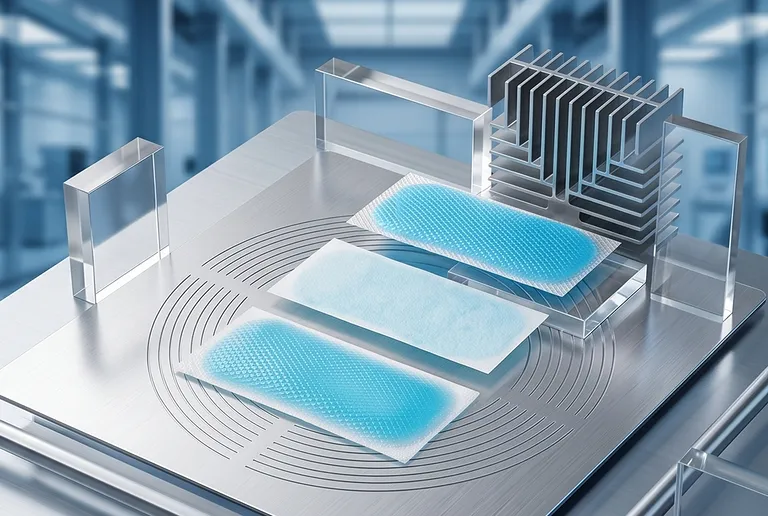
The choice between oral and topical NSAIDs is a classic case of re-evaluating our priorities. We must shift our thinking from "how fast?" to "how safely and sustainably?"
The "patience" required for a topical patch to work is not a flaw; it's an investment in physiological safety. It's the price of avoiding systemic risk.
| Aspect | Topical NSAIDs (The Precision Approach) | Oral NSAIDs (The Systemic Approach) |
|---|---|---|
| Onset of Action | ~1 week (Gradual, targeted buildup) | Within hours (Rapid, systemic absorption) |
| Mechanism | Localized delivery to the pain site | Systemic distribution via bloodstream |
| Systemic Exposure | Minimal | High |
| Primary Risk | Local skin irritation (rare) | GI ulcers, kidney strain, interactions |
| Ideal Use Case | Chronic, localized pain (e.g., arthritis) | Widespread or acute pain |
This reframes the decision. The delay in relief from a topical patch is the signature of a more intelligent, targeted system at work.
The Crucial Role of Advanced Formulation

The effectiveness of a transdermal patch is a marvel of materials science and pharmacology. It's not enough to simply put an active ingredient into an adhesive. The true challenge lies in engineering a delivery system that can effectively penetrate the skin barrier and release the drug at a steady, predictable rate.
This requires deep expertise in:
- Adhesion Technology: Ensuring the patch stays on comfortably without irritating the skin.
- Permeation Enhancers: Formulating the patch to help the active ingredient cross the skin barrier.
- Drug Stability: Guaranteeing the medication remains potent and stable from manufacturing to application.
This is where the expertise of a specialized manufacturer becomes critical. Companies like Enokon focus exclusively on mastering the science of transdermal delivery, providing the R&D and bulk manufacturing capabilities that enable healthcare brands to offer reliable, safe, and effective pain relief solutions. They engineer the "patience" into a product that is both effective and profoundly safer for long-term use.
A Paradigm Shift in Pain Management
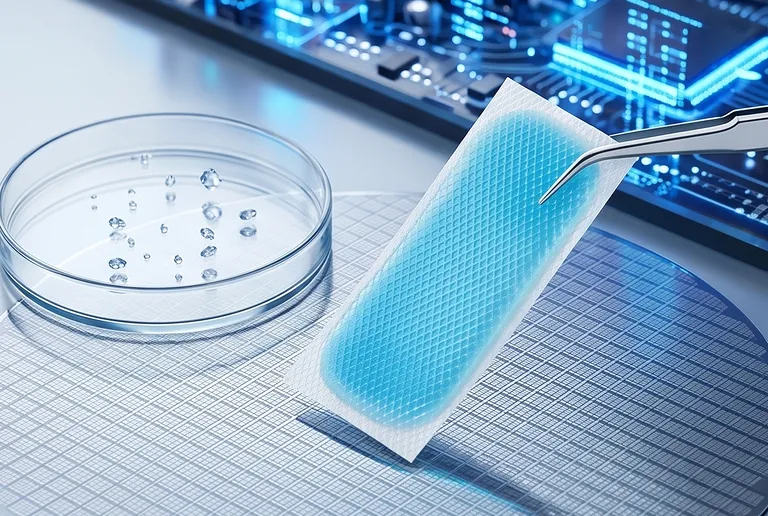
For chronic, localized conditions, the most advanced solution is not necessarily the fastest one. It's the one that solves the problem with the least amount of collateral damage. The transdermal patch embodies this shift—away from systemic bombardment and toward targeted, intelligent care.
For distributors and healthcare brands looking to lead this shift with reliable, expertly engineered transdermal solutions, the first step is partnering with a specialist. Contact Our Experts
Related Products
- Far Infrared Heat Pain Relief Patches Transdermal Patches
- Icy Hot Menthol Medicine Pain Relief Patch
- Mugwort Wormwood Pain Relief Patch for Neck Pain
- Menthol Gel Pain Relief Patch
- Silicone Scar Sheets Patch Transdermal Drug Patch
Related Articles
- Engineering Certainty: The Invisible Architecture of a Gold-Standard Clinical Trial
- The Silent Workhorse: How Transdermal Patches Rewrote the Rules of Pain Management
- Beyond the Pill: The Silent Engineering of Safer Pain Relief
- Beyond Efficacy: The Psychology of Adherence in Topical Pain Relief
- Beyond the Molecule: The Behavioral Science of the Simple Pain Patch