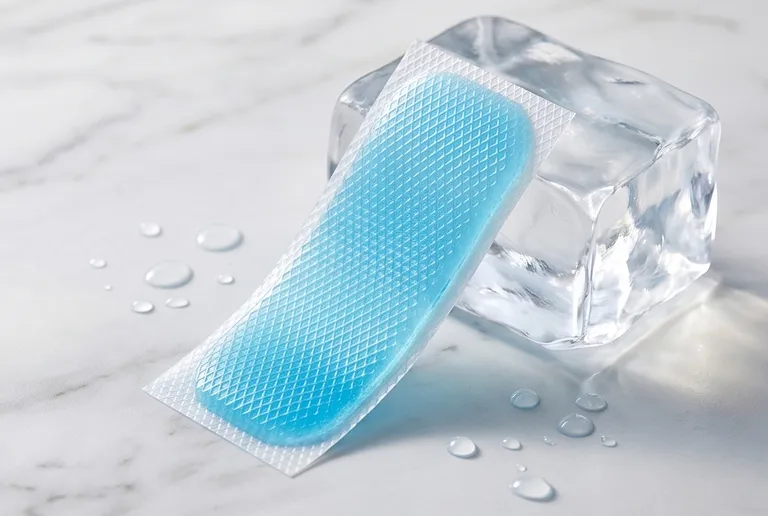
The Illusion of Simplicity
A transdermal patch is a marvel of elegant design. A simple sticker that delivers complex medicine silently and steadily. It bypasses the digestive system and avoids the peaks and troughs of injections. From the patient's perspective, it’s an act of near-magical simplicity: apply and forget.
But this simplicity is an illusion.
Beneath that thin layer of polymer and adhesive lies a sophisticated interface between a potent active pharmaceutical ingredient (API) and the most complex system known: the human body. The patch is not a passive container; it's an active delivery engine. And its success depends less on the hormone it carries and more on the engineering that governs its interaction with the individual.
The First Point of Contact: When Material Science Meets Biology
The first challenge begins at the skin. Imagine a patient prescribed a testosterone patch who develops contact dermatitis. The immediate assumption might be an allergy to testosterone itself. But more often, the culprit is a component of the patch: the adhesive, the backing, or the penetration enhancer.
This isn't just an inconvenience; it's a critical failure of the delivery system. It undermines patient compliance and therapeutic trust.
The skin is a dynamic barrier, not a uniform surface. Its properties change with age, hydration, and location. Therefore, the design of the patch—its biocompatibility, adhesive strength, and flexibility—is paramount. It must form a secure, non-irritating bond to ensure a consistent drug flux, day after day.
This is where the engineering discipline of a specialist manufacturer becomes the foundation of therapeutic success. It's about selecting materials that are not only effective but also inert and gentle, creating a truly "silent" interface.
The Ripple Effect: The Body as an Interconnected System
We have a psychological bias for linear solutions. Low testosterone? Add testosterone. Problem solved.
The body, however, is a web of interconnected feedback loops. Introducing an external hormone doesn't just fill a deficit; it sends a powerful signal that ripples through countless other systems.
Consider these interactions:
- Blood Coagulation: Testosterone can amplify the effects of anticoagulants like warfarin, turning a therapeutic dose into a bleeding risk.
- Glucose Metabolism: It can alter insulin sensitivity, requiring diabetic patients to recalibrate their medication regimen meticulously.
- Fluid Balance: When used with corticosteroids, it can lead to additive fluid retention, straining the cardiovascular system.
A transdermal patch that delivers its payload erratically—dumping too much at once or failing to release it steadily—introduces chaos into this delicate web. The primary goal of a well-engineered patch is predictability. A consistent, reliable release profile allows clinicians to anticipate these systemic interactions and manage them proactively.
Accounting for Time and Change
A patient is not a static data point. The 70-year-old man has a different cardiovascular and prostate risk profile than his 45-year-old counterpart. Health is a moving target.
This is why hormone replacement therapy is not a one-time decision but an ongoing process of monitoring and adjustment. The "apply and forget" convenience of the patch is only made safe by a rigorous "measure and manage" protocol from the physician.
- Hematocrit Levels: Must be checked quarterly to monitor for polycythemia (an overproduction of red blood cells), a known risk.
- Prostate Health: Annual screenings are non-negotiable to detect any changes early.
- Lipid Profiles: Regular monitoring is needed to track effects on cholesterol.
For these adjustments to be meaningful, the doctor must trust one variable to be constant: the dose delivered by the patch. If the patch itself is unreliable, the physician is navigating blind, unable to distinguish between a patient's physiological response and a product failure. This is why the quality control and R&D behind the patch are as critical as the diagnosis itself.
Mastering the Protocol: Beyond the Patch

The most sophisticated technology can be defeated by simple human error or unforeseen environmental factors. The transdermal patch is no exception. Its protocol extends far beyond the moment of application.
A patient with a testosterone patch containing a metallic component who undergoes an MRI scan could suffer a severe burn. A surgeon who is unaware of a patient's testosterone therapy might not be prepared for an increased risk of thrombosis.
These are not edge cases; they are foreseeable risks that must be managed through education and clear protocols. Below is a summary of crucial considerations that form the "user manual" for this technology.
| Key Consideration | Details |
|---|---|
| Allergies | Check for hypersensitivity to testosterone or, critically, patch components. |
| Medical History | Contraindicated for prostate/breast cancer. High-risk for CVD, sleep apnea, etc. |
| Drug Interactions | Blood thinners, diabetes meds, and corticosteroids may all require adjustments. |
| Procedure Safety | Remove before MRI scans. Disclose use before any surgery. Rotate application sites. |
| Ongoing Monitoring | Regular checks for hematocrit, prostate health, lipids, and cardiac function are vital. |
True safety and efficacy lie in the union of a well-engineered product and a well-executed protocol.
As a bulk manufacturer of high-reliability transdermal systems, Enokon focuses on the engineering that builds trust. Our expertise in custom R&D ensures that each patch provides the predictable, stable performance that both clinicians and patients depend on. We build the silent interface so you can focus on the patient.
To ensure your transdermal products are built on a foundation of precision and safety, Contact Our Experts.
Related Products
- Silicone Scar Sheets Patch Transdermal Drug Patch
- Far Infrared Heat Pain Relief Patches Transdermal Patches
- Menthol Gel Pain Relief Patch
- Icy Hot Menthol Medicine Pain Relief Patch
- Mugwort Wormwood Pain Relief Patch for Neck Pain
Related Articles
- Beyond the Pouch: The Critical Engineering of Transdermal Patch Integrity
- Beyond the Adhesive: The Unseen Engineering of Safe Transdermal Drug Delivery
- The Paradox of the Patch: Deconstructing the Science of Skin-Contact Safety
- The Adhesion Paradox: Engineering Transdermal Patches for Real-World Human Behavior
- Beyond the Counter: The Hidden Engineering of Trust in Pain Management











