The Moment the System Pauses
It’s a quiet, sinking feeling. The realization that a critical, time-sensitive task has been forgotten. For a pet owner managing chronic pain with a fentanyl patch, it might be noticing the old patch is still on, a day past its scheduled change. Or finding the new one still in its box.
In that moment, the transdermal patch ceases to be a simple sticker. It reveals itself for what it truly is: a meticulously calibrated, time-release drug delivery system. A silent, automated clock.
And that clock has just been paused by human error.
The Illusion of Simplicity
We are drawn to solutions that feel simple. A transdermal patch is the epitome of this. Apply it and forget it. But its elegant exterior conceals sophisticated engineering.
Beneath the backing layer lies a drug reservoir, an adhesive that ensures skin contact, and most importantly, a rate-controlling membrane. This membrane is the heart of the system. It’s designed to release a precise, steady flow of medication through the skin and into the bloodstream over 48 or 72 hours.
This isn’t a bandage soaked in medicine; it's a micro-engineered dam, letting molecules through at a painstakingly calculated rate.
The psychology here is fascinating. Because the system is so quiet and autonomous, it’s easy to misjudge its importance or forget about it entirely. Unlike the loud demands of a food bowl or a leash, the patch works in the background. This makes adherence a challenge of diligence, not just memory.
The Cascading Risks of a Single Mistake
When this carefully balanced system is disrupted, the consequences aren't linear. They cascade.
Breaking the Therapeutic Window
Effective pain management exists within a narrow "therapeutic window"—the concentration of a drug in the blood that is high enough to be effective but low enough to avoid toxicity.
A missed patch application causes the drug level to fall below this window, allowing pain to return. Conversely, a panicked "fix," like applying a second patch, can push the concentration far above the safe limit, risking a dangerous overdose.
The Danger of "Creative" Solutions
The impulse to correct a mistake is strong. Some might think, "I'll just cut the patch in half to make up for lost time."
This is like trying to fix a clock by breaking its gears. Cutting a patch destroys the rate-controlling membrane. The system is no longer a slow-release device; it becomes an uncontrolled reservoir that dumps its contents rapidly into the body. The risk of overdose becomes immediate and severe.
The Unseen Variable: Heat
The system is calibrated for a specific environment: normal body temperature. Introducing an external heat source—a heating pad, a sunny spot, or even a fever—disrupts the physics of delivery.
Heat increases molecular energy. It makes molecules in the drug reservoir move faster and makes the skin more permeable. The calibrated drip becomes a flood. This is why veterinarians warn so sternly against applying heat near a patch; it's an accidental accelerator for a powerful engine.
A Protocol for Recovery: Re-establishing Control
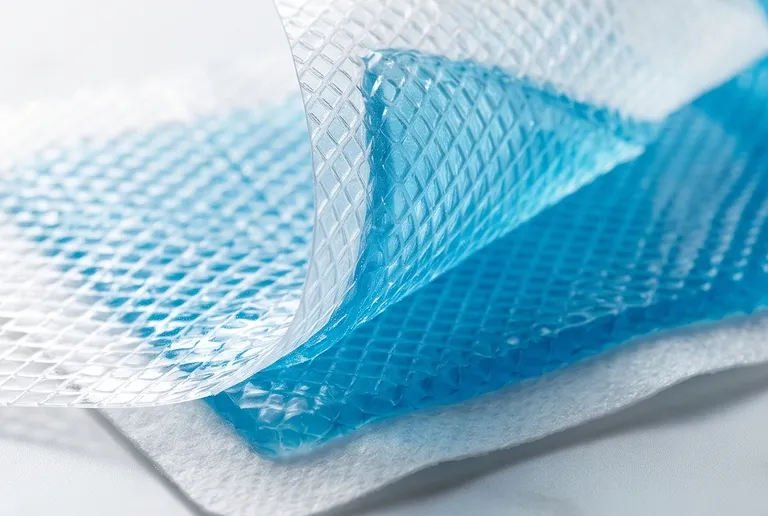
Correcting the error isn't about a quick fix. It's about safely rebooting a delicate medical system. The protocol is straightforward and prioritizes safety over improvisation.
-
Step 1: Consult the System Administrator (The Veterinarian) Your first and only immediate action should be to call your vet. They are the system's expert, understanding the drug, the patient's specific condition, and the patch's pharmacokinetics. They can provide instructions tailored to the exact situation.
-
Step 2: Re-align with the Prescribed Schedule If instructed, you'll likely apply the new patch as soon as you remember. Critically, you must maintain the original prescribed interval. If patches are changed every three days, the next change is three days from this new application, not the original date. This re-establishes the system's rhythm.
-
Step 3: Monitor for System Anomalies Watch your pet closely. Look for signs of under-dosing (returning pain) or over-dosing (lethargy, unresponsiveness, slowed breathing). You are now the system's quality control, observing for any deviations from normal operation.
-
Step 4: Safe Decommissioning of Failed Components If a patch falls off or when you remove a used one, it still contains a significant amount of residual drug. It must be handled like hazardous material. Fold it in half, sticky side in, and flush it immediately. This prevents accidental exposure to children or other pets.
Reliability Begins at the Source
The entire chain of care—from the veterinarian's prescription to the owner's application—rests on one foundational assumption: that the patch itself is flawlessly reliable. The rate-controlling membrane must be consistent, the adhesive must be dependable, and the drug reservoir must be precise.
This is where the engineering originates. For healthcare distributors and pharmaceutical brands, the integrity of their final product depends entirely on the manufacturing source. A well-designed system can only function if its core components are built to exacting specifications. At Enokon, we specialize in the bulk manufacturing of these sophisticated delivery systems, focusing on the technical expertise and custom R&D that ensure every single patch performs as designed.
Because when managing a life, there is no room for system failure.
If you are developing or distributing transdermal solutions and demand this level of engineering excellence, Contact Our Experts.
Related Products
- Far Infrared Heat Pain Relief Patches Transdermal Patches
- Silicone Scar Sheets Patch Transdermal Drug Patch
- Icy Hot Menthol Medicine Pain Relief Patch
- Menthol Gel Pain Relief Patch
- Mugwort Wormwood Pain Relief Patch for Neck Pain
Related Articles
- Engineering Certainty: The Invisible Architecture of a Gold-Standard Clinical Trial
- The Silent Workhorse: How Transdermal Patches Rewrote the Rules of Pain Management
- Beyond the Pill: The Silent Engineering of Safer Pain Relief
- Beyond Efficacy: The Psychology of Adherence in Topical Pain Relief
- Beyond the Molecule: The Behavioral Science of the Simple Pain Patch



















