
The Patient, The Protocol, and The Patch
A man in his late 40s sits in a consultation room. He has all the clinical signs of hypogonadism: persistent fatigue, a fog he can't seem to shake, and a loss of vitality. The diagnosis is confirmed. The treatment, Testosterone Replacement Therapy (TRT), is straightforward.
But then comes the psychological hurdle: the delivery method. The thought of regular injections is a significant barrier to adherence for many. The alternative, a transdermal patch, seems like an elegant, almost invisible solution. A simple sticker applied once a day.
This scenario plays out in clinics everywhere. And it highlights a fundamental truth: the most brilliant medical treatment is only effective if the patient can consistently follow it. The transdermal patch solves a human problem, but in doing so, it introduces a profound engineering challenge.
The Promise of a Steady State
The primary appeal of a transdermal patch isn't just avoiding needles. It's about mimicking the body's natural, steady hormonal rhythm.
Injections can create a "peak and trough" cycle, where hormone levels spike shortly after administration and then fall before the next dose. This fluctuation can impact mood, energy, and overall well-being.
A well-engineered patch, however, is designed to release a consistent, controlled dose of testosterone over a 24-hour period. This steady-state delivery is pharmacologically superior and offers a more stable experience for the patient. It aims to restore not just a number on a lab report, but a feeling of normalcy.
More Than a Sticker: The Micro-System on the Skin

What appears to be a simple patch is a sophisticated, multi-layered delivery system. Each component has a critical function:
- The Backing Layer: Protects the drug from the environment.
- The Drug Reservoir: Contains the precise dose of testosterone.
- The Rate-Controlling Membrane: The system's "brain," dictating the speed of hormone release.
- The Skin-Contact Adhesive: Ensures the patch stays on and the drug can permeate the skin effectively.
When this system works perfectly, it delivers a cascade of therapeutic benefits by restoring testosterone to normal levels, helping to:
- Improve muscle mass and bone density
- Enhance libido and sexual function
- Support cognitive health and energy levels
- Maintain secondary sexual characteristics
The High Stakes of Inconsistency
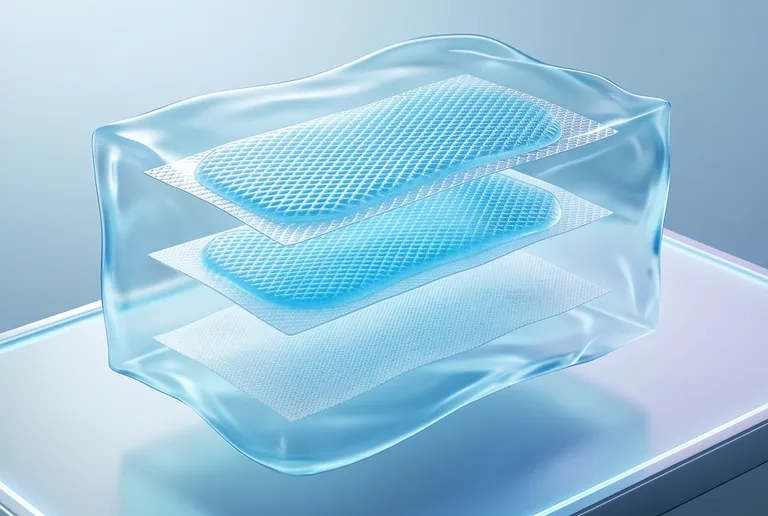
This elegant system is only as reliable as its manufacturing. A small deviation in the adhesive, the membrane porosity, or the drug concentration can have significant clinical consequences.
This is where the trust of the physician and patient is placed squarely on the shoulders of the manufacturer. When a doctor monitors a patient's hematocrit and PSA levels, they are operating under the assumption that the patch is delivering its stated dose. Inconsistency turns predictable therapy into a clinical gamble.
| Quality Control Parameter | Clinical Impact of Manufacturing Failure |
|---|---|
| Adhesive Integrity | Poor adhesion leads to a partial or missed dose, causing sub-therapeutic levels. |
| Dose Uniformity | "Hot spots" or low-dose areas can lead to dangerous hormone spikes or ineffective treatment. |
| Release Rate Consistency | An unpredictable release rate makes blood test results unreliable and dose adjustments impossible. |
| Material Biocompatibility | Poor materials can cause skin irritation, forcing patients to discontinue a viable therapy. |
For a pharmaceutical brand or distributor, a single batch of faulty patches doesn't just represent a product recall; it represents an erosion of clinical trust that can damage a reputation irreparably.
Choosing a Manufacturer Is a Clinical Decision
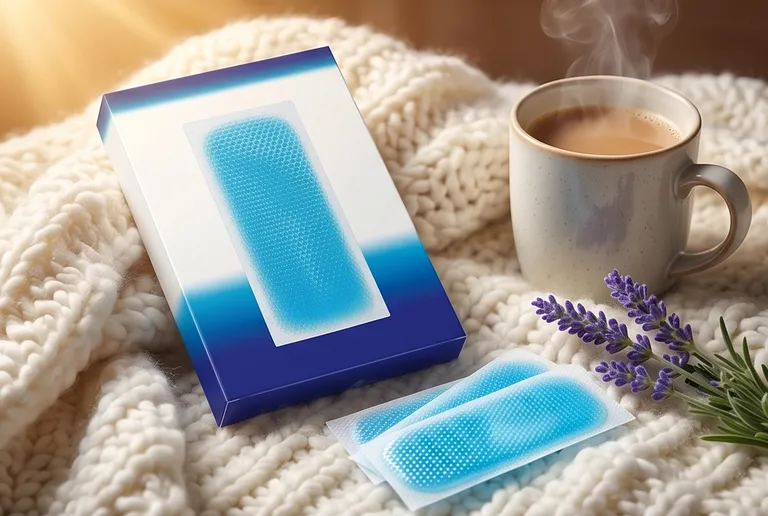
This is why the selection of a manufacturing partner is not merely a supply chain decision—it is a clinical one. It requires a partner with deep technical expertise in the nuances of transdermal science.
At Enokon, we specialize in the bulk manufacturing of transdermal patches and pain plasters, viewing each unit not as a commodity but as a critical medical device. Our commitment to rigorous quality control and our capacity for custom R&D ensures that the patch your brand provides is one that physicians can prescribe with confidence. We engineer the reliability that makes the entire chain of care—from distributor to clinic to patient—work.
Ultimately, the trust between a patient and their doctor is built on a foundation of quality that starts long before a prescription is written. It begins with the precise engineering of the delivery system itself. To ensure your therapeutic solutions are built on this foundation of reliability, Contact Our Experts.
Related Products
- Prostate Pain Kidney Health Care Patch for Men
- Lidocaine Hydrogel Pain Relief Patch for Pain Relief
- Cooling Fever Patches Color Change Cold Fever Patch
- Menthol Gel Pain Relief Patch
- Heating Pain Relief Patches for Menstrual Cramps
Related Articles
- More Than a Sticker: The Hidden Engineering of a Safe Pain Patch
- The Architecture of Relief: Deconstructing the Modern Pain Patch
- The Unseen Calculus of a Simple Pain Patch
- The Silent Geography of Healing: Decoding the Global Demand for Transdermal Herbal Patches
- The Unseen Engineering Behind a Simple Medicated Patch














