
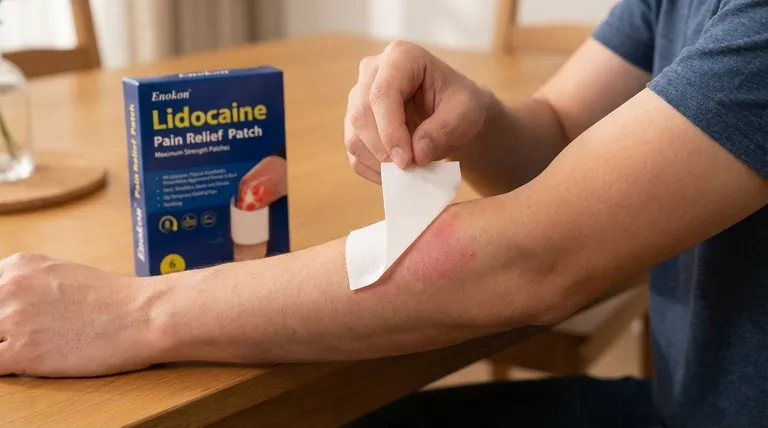
Lidocaine patches are widely used for localized pain relief, but like any medication, they can cause side effects. Most reactions are mild and localized to the application site, but rare systemic effects require attention. Understanding these effects helps users make informed decisions and recognize when to seek medical help.
Key Points Explained:
-
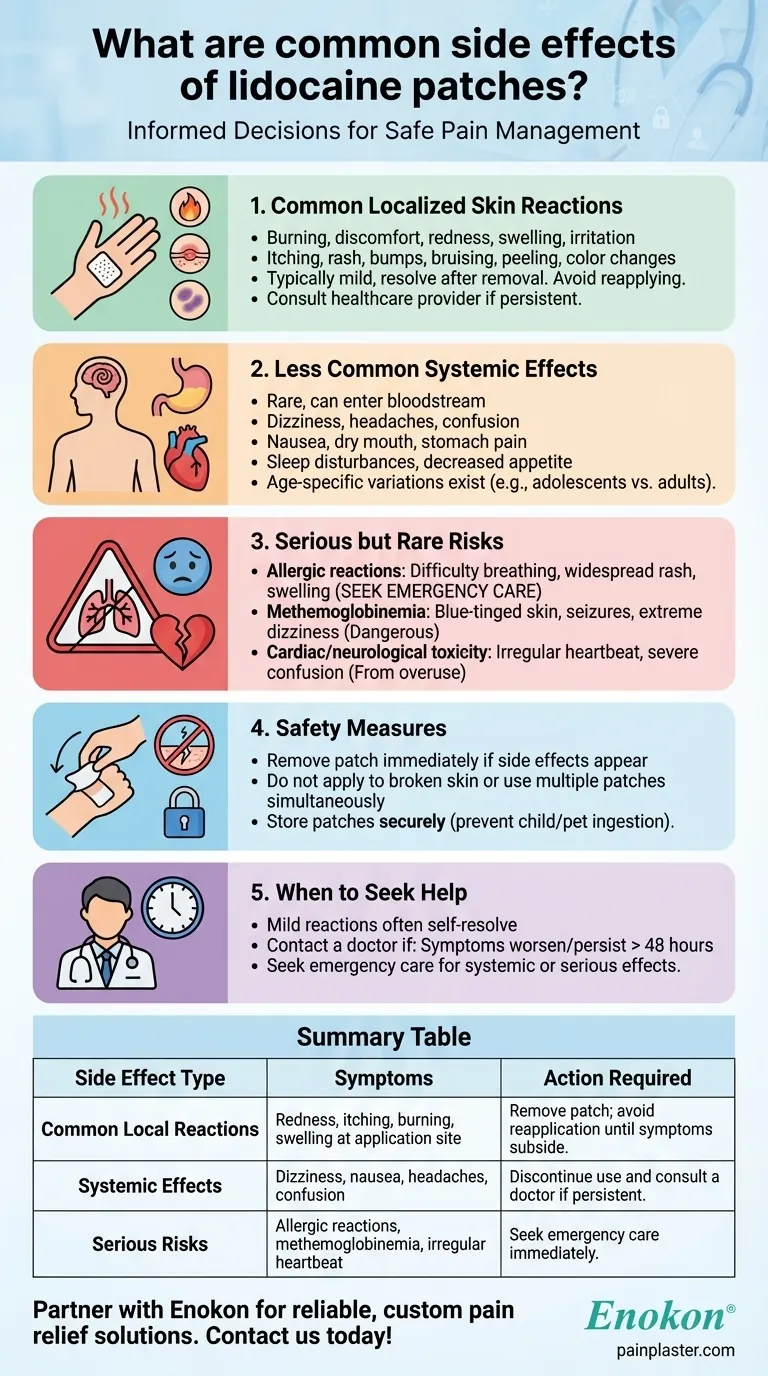
Common Localized Skin Reactions
- Most side effects occur at the patch application site and include:
- Burning or discomfort (reported frequently)
- Redness, swelling, or irritation
- Itching, rash, or bumps
- Bruising, peeling, or skin color changes
- These are typically mild and resolve after patch removal. Avoid reapplying until symptoms subside. For persistent reactions, consult a healthcare provider.
- Most side effects occur at the patch application site and include:
-
Less Common Systemic Effects
- Though rare, lidocaine can enter the bloodstream, causing:
- Dizziness, headaches, or confusion
- Nausea, dry mouth, or stomach pain
- Sleep disturbances or decreased appetite
- Age-specific variations exist. For example, adolescents may experience weight loss or tics, while adults report diarrhea or trouble sleeping.
- Though rare, lidocaine can enter the bloodstream, causing:
-
Serious but Rare Risks
- Allergic reactions: Difficulty breathing, widespread rash, or swelling (seek emergency care).
-
Methemoglobinemia: A dangerous condition where oxygen transport is impaired, causing:
- Blue-tinged skin
- Seizures or extreme dizziness
- Cardiac/neurological toxicity: Irregular heartbeat or severe confusion from overuse.
-
Safety Measures
- Remove the Lidocaine Patch immediately if side effects appear.
- Do not apply to broken skin or use multiple patches simultaneously (unless directed).
- Store patches securely to prevent accidental ingestion by children or pets.
-
When to Seek Help
- Mild skin reactions often self-resolve, but contact a doctor if:
- Symptoms worsen or persist beyond 48 hours.
- Systemic effects like breathing difficulties or irregular heartbeat occur.
- Mild skin reactions often self-resolve, but contact a doctor if:
Have you considered how individual sensitivity or pre-existing skin conditions might influence your reaction? Monitoring your response during initial use can help tailor future applications. These patches exemplify how even targeted therapies carry nuanced risks—underscoring the importance of informed, cautious use in pain management.
Summary Table:
| Side Effect Type | Symptoms | Action Required |
|---|---|---|
| Common Local Reactions | Redness, itching, burning, swelling at application site | Remove patch; avoid reapplication until symptoms subside. |
| Systemic Effects | Dizziness, nausea, headaches, confusion | Discontinue use and consult a doctor if persistent. |
| Serious Risks | Allergic reactions, methemoglobinemia (blue skin), irregular heartbeat | Seek emergency care immediately. |
Need reliable pain relief with minimized side effects? Partner with Enokon, a trusted bulk manufacturer of transdermal patches and pain plasters for healthcare distributors and brands. Our expertise in custom R&D ensures safe, effective formulations tailored to your needs. Contact us today to discuss your requirements!
Visual Guide
Related Products
- Lidocaine Hydrogel Pain Relief Patch for Pain Relief
- Capsaicin Chili Medicated Pain Relief Patches
- Menthol Gel Pain Relief Patch
- Icy Hot Menthol Medicine Pain Relief Patch
- Herbal Medicated Anti Diarrhea Patch for Digestive Relief
People Also Ask
- How does the aqueous base in a lidocaine patch contribute to drug delivery? Unlocking Sustained Pain Relief Technology
- What are the advantages of topical anesthetics over invasive Lidocaine infiltration? Discover Safer, Scalable Relief
- Which pain patch is most effective for arthritis? Find the Best Relief for Your Joint Pain
- Will a GP routinely continue prescribing lidocaine patches after the initial period? Understanding Short-Term Pain Relief
- Why are lidocaine patches preferred over oral medications? Targeted Relief & Scale Your Brand with OEM R&D Solutions



















