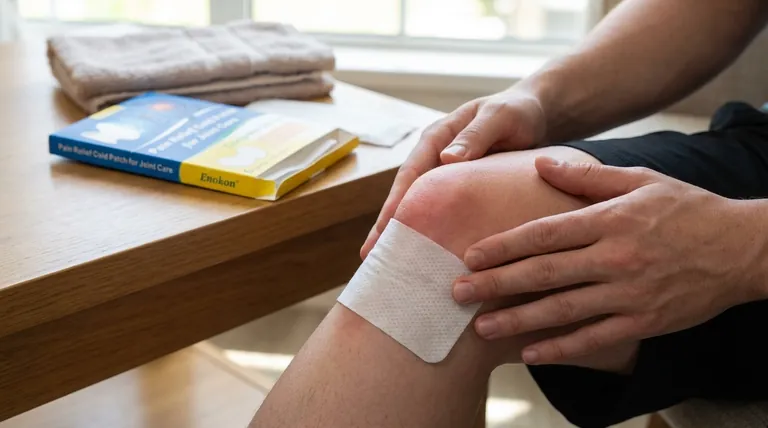
The Silent Negotiation with Pain
Chronic pain, especially from arthritis, is a daily negotiation. It's a quiet conversation with your own body that dictates the day's terms: the stairs you might avoid, the activities you might forgo.
For decades, the primary tool in this negotiation has been oral medication. A pill is a systemic solution—a powerful but blunt instrument. To soothe an aching knee, you expose your entire body to the drug, accepting a bargain that often includes side effects and a sense of detachment from the healing process.
But what if we could change the terms of the negotiation? What if we could address the pain with precision, right at the source?
This is the engineering promise of the transdermal patch: a sophisticated interface between medicine and the body, designed for localized, intelligent relief.
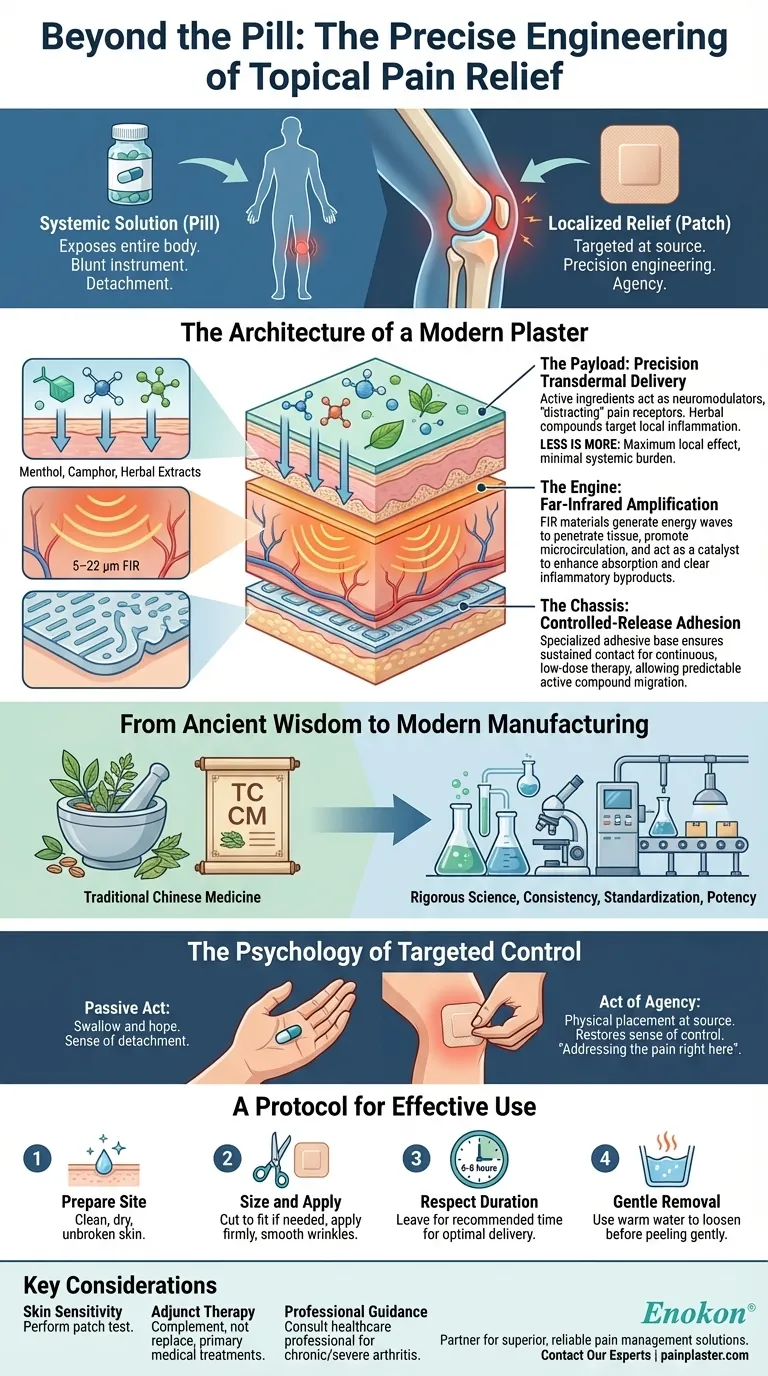
The Architecture of a Modern Plaster
To the user, a pain plaster is a simple adhesive square. To an engineer, it's a multi-layered delivery system, each component designed for a specific function. This architecture is what separates a simple bandage from a therapeutic tool.
1. The Payload: Precision Transdermal Delivery
The core of the patch is its active payload. Ingredients like menthol and camphor are not just masking agents; they are neuromodulators. They create cooling or warming sensations that interact with pain receptors, effectively "distracting" the nervous system.
Simultaneously, other herbal compounds are absorbed through the skin, targeting inflammation locally. Unlike a pill, which floods the bloodstream, the patch delivers its payload directly to the tissues that need it. This is the elegance of "less is more"—maximum local effect with minimal systemic burden.
2. The Engine: Far-Infrared Amplification
Many advanced plasters incorporate a subtle but powerful engine: far-infrared (FIR) emitting materials. These elements generate specific wavelengths of energy (typically 5–22 μm) that penetrate tissue, gently increasing temperature and promoting microcirculation.
This improved blood flow isn't just for comfort. It acts as a catalyst, enhancing the body's ability to absorb the active ingredients and clear out inflammatory byproducts. The FIR technology effectively primes the target area, making the transdermal delivery more efficient.
3. The Chassis: Controlled-Release Adhesion
The adhesive base is the unsung hero of the patch. It’s not just glue; it's a chassis designed for controlled release. Its formulation ensures the patch stays firmly in place for hours while allowing active compounds to migrate into the skin at a steady, predictable rate.
This sustained contact is critical. It transforms the treatment from a single, fleeting application into a continuous, low-dose therapy that works in harmony with the body's rhythm.
From Ancient Wisdom to Modern Manufacturing
The concept of a medicated plaster is rooted in Traditional Chinese Medicine, an art form perfected over centuries. But turning that art into a reliable, scalable medical product requires rigorous science.
The challenge lies in consistency. How do you ensure every patch delivers the exact same dose? How do you standardize botanical ingredients and guarantee their purity and potency?
This is where technical expertise in formulation and manufacturing becomes non-negotiable. It involves selecting the right adhesive matrix, validating the efficacy of herbal extracts, and ensuring stability over time. The transition from a traditional remedy to a trusted healthcare product is forged in the laboratory and on the production line.
The Psychology of Targeted Control
Beyond the physiological mechanisms, the psychological impact of a transdermal patch is profound.
Swallowing a pill is a passive act. You send a chemical into your system and hope for the best. Applying a patch, however, is an act of agency. You are physically placing the solution directly onto the source of your pain.
This simple action restores a sense of control that chronic illness often takes away. It’s a targeted, deliberate response to a specific problem—a declaration that you are addressing the pain right here, without disrupting the rest of your body. This psychological benefit is a powerful component of the overall therapeutic effect.
A Protocol for Effective Use
While engineered for simplicity, a patch's effectiveness is maximized when used correctly as part of a broader treatment plan. It is a powerful tool for symptomatic relief, not a cure.
Application Best Practices:
- Prepare the Site: Always apply the patch to clean, dry, and unbroken skin.
- Size and Apply: Cut the plaster to fit the area if needed and apply it firmly, smoothing out any wrinkles.
- Respect the Duration: Leave the patch on for the recommended time, typically 6-8 hours, to ensure optimal delivery without irritating the skin.
- Gentle Removal: If the adhesive is strong, use warm water to help loosen it before peeling it off gently.
Key Considerations:
- Skin Sensitivity: Always perform a patch test on a small area of skin first, especially if you have known allergies.
- Adjunct Therapy: Use plasters to complement—not replace—your primary medical treatments like physical therapy or prescribed medications.
- Professional Guidance: For chronic or severe arthritis, always consult a healthcare professional to ensure you are not masking symptoms that require a different intervention.
Creating a product that delivers this level of precision requires deep expertise in formulation, material science, and manufacturing. For healthcare brands and distributors committed to offering superior, reliable pain management solutions, the right development partner is everything. Contact Our Experts
Visual Guide
Related Products
- Far Infrared Heat Pain Relief Patches Transdermal Patches
- Icy Hot Menthol Medicine Pain Relief Patch
- Menthol Gel Pain Relief Patch
- Silicone Scar Sheets Patch Transdermal Drug Patch
- Mugwort Wormwood Pain Relief Patch for Neck Pain
Related Articles
- Engineering Certainty: The Invisible Architecture of a Gold-Standard Clinical Trial
- The Silent Workhorse: How Transdermal Patches Rewrote the Rules of Pain Management
- Beyond the Pill: The Silent Engineering of Safer Pain Relief
- Beyond Efficacy: The Psychology of Adherence in Topical Pain Relief
- Beyond the Molecule: The Behavioral Science of the Simple Pain Patch



















