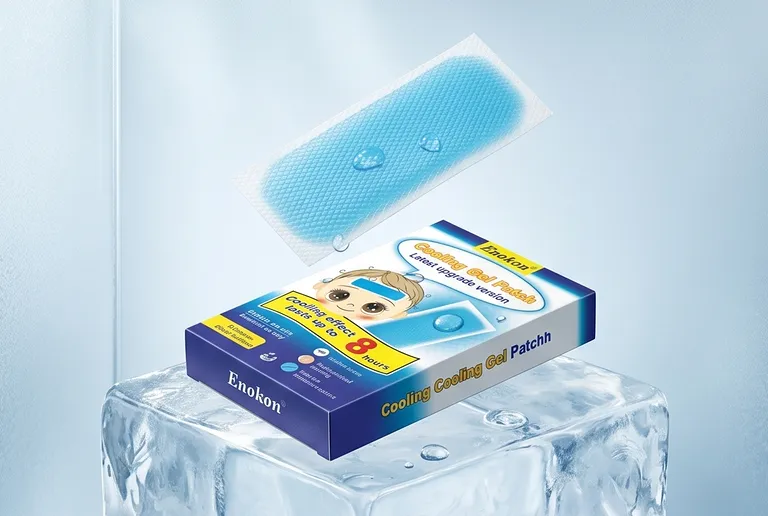
The Unseen Complexity of a Simple Patch
A transdermal patch seems deceptively simple. Peel, stick, and forget.
But this simplicity masks a sophisticated drug delivery system. Its success doesn't just depend on the patch's formulation, but on the delicate interface between technology and human biology. The greatest variable isn't the chemistry; it's the person applying it.
From a psychological standpoint, the repetitive, low-stakes nature of applying a patch makes it easy to become complacent. Yet, small deviations in routine—a forgotten step, a rushed application—can compromise an entire day's therapeutic dose.
This is where understanding the "why" behind the instructions becomes critical. It transforms a mundane task into a precise ritual, ensuring the elegant engineering of the patch can perform its function flawlessly.
The Canvas: Preparing the Skin for Optimal Adhesion
The skin is not a passive surface; it's a dynamic, living organ. Treating it as such is the first step toward successful transdermal therapy.
Site Selection as Strategic Real Estate
Think of the body's surface area as valuable real estate. The ideal locations—upper arm, back, abdomen, thighs—are chosen for their stable, low-friction environment, which ensures consistent drug absorption.
The most critical principle here is rotation.
Applying a patch to the same spot repeatedly is like farming the same plot of land without letting it rest. The skin can become irritated or sensitized, compromising its ability to absorb the medication effectively. Daily rotation is a simple act of stewardship that preserves the long-term viability of this delivery system.
- Ideal Areas: Upper arm, back, abdomen, thighs.
- Areas to Avoid: Irritated skin, hairy spots, or areas prone to sweating or friction from clothing.
The Ritual of Preparation
Creating the perfect interface requires a moment of preparation.
The skin must be clean and dry. But the method matters. Using mild soap and water is ideal. Harsh chemicals or alcohol can strip the skin's natural oils, altering its texture and creating a barrier that disrupts the adhesive's bond. If the area needs to be shaved, do it a day in advance to allow any micro-abrasions to heal.
This isn't just cleaning; it's calibrating the surface for a perfect connection.
The Critical Moment: The 30-Second Bond
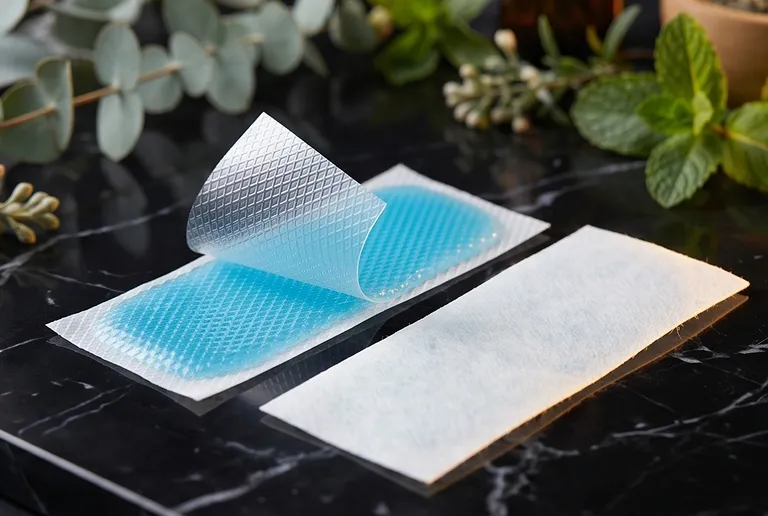
The application itself is a sequence of precise, small actions.
- Start with Clean Hands: Prevent contamination of the patch's sterile adhesive.
- Open with Care: Tear the pouch open, being careful not to touch the adhesive side. This maintains both sterility and the integrity of the drug matrix.
- Apply and Press: Once the patch is on the skin, press down firmly with the palm of your hand for 30 seconds.
Those thirty seconds are not about brute force. They are a quiet negotiation between the adhesive and the epidermis, using body heat and pressure to create a micro-bond that must endure for the next 24 hours of movement, friction, and environmental change.
The Dynamic System: Living with the Patch
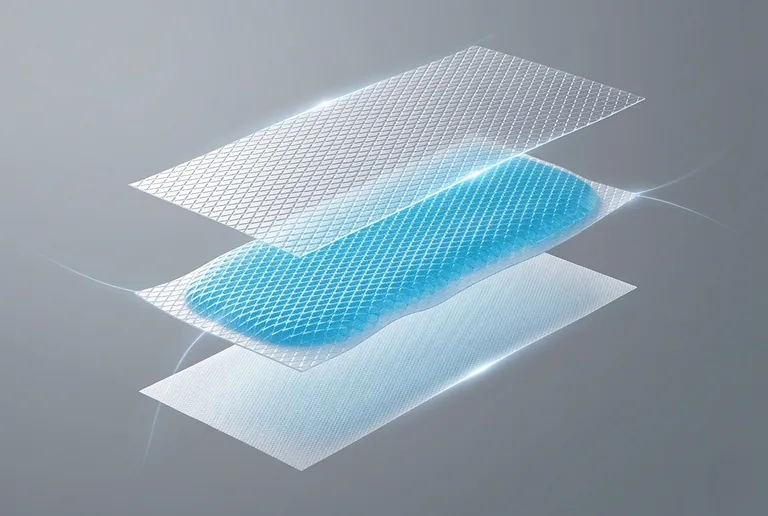
A patch is not a static object. It's an active participant in the user's life, and its performance is subject to daily variables.
The Rhythm of Replacement
Hormone therapy often relies on maintaining a steady-state concentration in the bloodstream. Replacing the patch at the same time each day—typically at night—supports this biological rhythm. This consistency aligns the patch's engineered release rate with the body's metabolic clock.
When Life Intervenes: Sweat, Showers, and Stress
Even the best-applied patch faces challenges.
- Water Exposure: A well-designed patch can withstand a shower or a swim. However, prolonged exposure or high temperatures can weaken the adhesive.
- Exercise: Intense workouts that cause heavy sweating are a primary stress test for adhesion. If a patch detaches, it needs to be replaced immediately to avoid a missed dose.
This is where the quality of the patch itself becomes the ultimate safeguard. A superior adhesive and a robust backing film are engineered to anticipate these real-world conditions.
| Key Step | Critical Detail | The "Why" Behind It |
|---|---|---|
| Application Sites | Upper arm, back, abdomen, thighs; rotate daily. | Prevents skin sensitization and ensures consistent, long-term absorption. |
| Skin Preparation | Clean with mild soap, dry thoroughly. Avoid alcohol. | Creates a stable, non-irritated interface for the adhesive to bond with. |
| Patch Adhesion | Press firmly with the palm for 30 seconds. | Uses body heat and pressure to activate the adhesive for a secure, 24-hour seal. |
| Dosing & Timing | Replace at the same time daily, as prescribed. | Maintains a steady therapeutic level in the bloodstream, aligning with the body's rhythm. |
| Activity | Avoid excessive sweat/water; replace if it falls off. | Protects the adhesive-skin interface, which is the gateway for drug delivery. |
The Silent Partner: The Engineering Behind a Reliable Patch
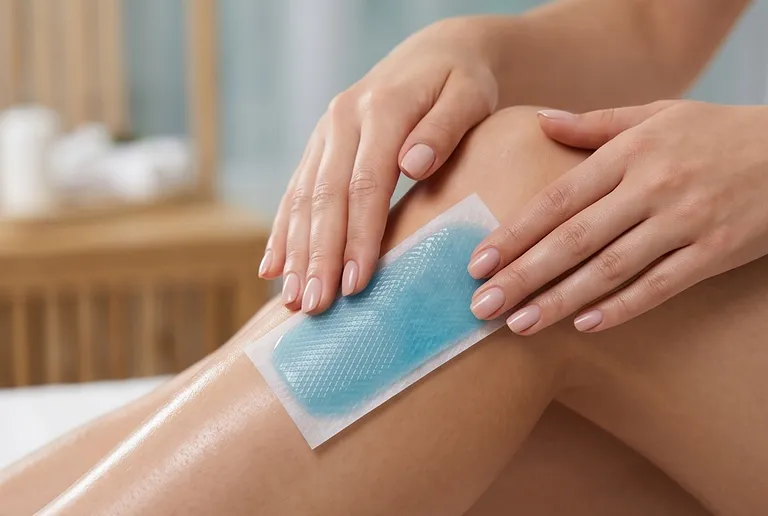
Every step a user takes to ensure proper application is built upon a foundation of manufacturing excellence. The patient's diligence is one half of the equation; the patch's inherent reliability is the other.
For healthcare distributors and pharmaceutical brands, this is the most important consideration. The patient experience hinges on a product that delivers on its promise.
- Adhesive Science: Can the adhesive hold firm through sweat and showers without causing irritation after weeks of use?
- Dose Consistency: Is the active ingredient distributed so uniformly across the matrix that even a small patch delivers a precise, predictable dose?
- Material Biocompatibility: Are the materials chosen to work with the skin, not against it?
This is the domain of specialized manufacturers. At Enokon, we focus exclusively on the engineering challenges of transdermal systems. We build reliability into every layer of our transdermal patches and pain plasters, from the adhesive formulation to the final packaging. Our expertise in custom R&D allows us to create products that meet the precise needs of our partners and their patients.
The trust a patient places in a transdermal patch begins long before they open the package. It begins in the lab and on the manufacturing line. The reliability of that patch is the foundation of patient trust and therapeutic success. To ensure your products are built on that foundation, Contact Our Experts.
Related Products
- Far Infrared Heat Pain Relief Patches Transdermal Patches
- Silicone Scar Sheets Patch Transdermal Drug Patch
- Icy Hot Menthol Medicine Pain Relief Patch
- Menthol Gel Pain Relief Patch
- Mugwort Wormwood Pain Relief Patch for Neck Pain
Related Articles
- Engineering Certainty: The Invisible Architecture of a Gold-Standard Clinical Trial
- The Silent Workhorse: How Transdermal Patches Rewrote the Rules of Pain Management
- Beyond the Pill: The Silent Engineering of Safer Pain Relief
- Beyond Efficacy: The Psychology of Adherence in Topical Pain Relief
- Beyond the Molecule: The Behavioral Science of the Simple Pain Patch



















