
The most important warnings for transdermal diclofenac concern serious, and potentially fatal, cardiovascular and gastrointestinal risks. Even though it is applied to the skin, this nonsteroidal anti-inflammatory drug (NSAID) is absorbed into your bloodstream and can cause systemic side effects. The two primary warnings involve an increased risk of heart attack or stroke and the potential for severe stomach or intestinal bleeding.
While applying medication to the skin feels safer than taking a pill, it is critical to understand that transdermal diclofenac carries the same serious systemic risks as its oral counterparts. Your personal health history, particularly concerning your heart and stomach, is the most important factor in its safe use.

The Two Most Serious "Black Box" Warnings
The FDA requires the most serious type of warning, known as a "black box" warning, for all NSAIDs, including transdermal diclofenac. These highlight potentially life-threatening risks.
Cardiovascular Risk: Heart Attack and Stroke
People using NSAIDs like diclofenac may have a higher risk of having a heart attack or a stroke than people who do not use these medications.
These events can happen without warning and may cause death. The risk is higher for those with existing heart disease or who use the medication for a long period.
Crucially, you should never use transdermal diclofenac right before or after heart bypass surgery (coronary artery bypass graft, or CABG).
Gastrointestinal Risk: Stomach and Intestinal Bleeding
NSAIDs can cause ulcers, bleeding, or holes (perforation) in the lining of your stomach or intestines.
This is a medical emergency that can be fatal and may occur at any time during use, often without any warning signs.
The risk is significantly higher for older adults, those in poor health, individuals who smoke or drink alcohol, and those with a history of stomach ulcers.
Who Should Use Diclofenac with Extreme Caution?
Certain individuals are at a much greater risk for severe side effects. It is essential to discuss your full medical history with your doctor before using this medication.
Individuals with Pre-existing Conditions
Inform your doctor if you have a history of heart disease, high blood pressure, kidney or liver disease, asthma, or stomach ulcers. These conditions can be exacerbated by diclofenac.
Older Adults
Individuals over 60 are more susceptible to the severe side effects of NSAIDs, particularly stomach bleeding and kidney problems. Dose adjustments may be necessary.
During Pregnancy
You should avoid using diclofenac during pregnancy, especially at 20 weeks or later, unless specifically directed by your doctor, as it can harm the unborn baby.
Potential Drug Interactions
Always tell your doctor about all other medications you are taking, especially other NSAIDs (like ibuprofen or naproxen), blood thinners (like warfarin), and certain heart or blood pressure medications. Combining these can dramatically increase risks.
Critical Rules for Safe Application and Handling
How you handle and apply the medication is fundamental to your safety and the safety of those around you.
Apply Only to Healthy, Intact Skin
Never apply diclofenac gel or patches to open wounds, cuts, rashes, infections, or irritated skin. This can increase absorption and cause unwanted effects.
Avoid Contamination
Do not allow the medication to come into contact with your eyes, nose, or mouth. Always wash your hands thoroughly with soap and water immediately after handling the patch or gel.
Do Not Cover Treated Areas
Unless it is a patch, do not cover areas treated with diclofenac gel with bandages or tight dressings. This can trap the medication and increase its absorption into the bloodstream. The patch form should not be worn while bathing or showering.
Keep Away from Children and Pets
Both new and used patches contain enough medication to be extremely dangerous, or even fatal, to a child or pet who might chew on or swallow one.
Dispose of Patches Safely
After removing a used patch, fold it in half with the sticky sides together before placing it in a secure trash receptacle, safely out of reach of children and pets.
Understanding the Trade-offs
Using this medication effectively means being aware of its inherent limitations and potential to mask other problems.
Topical Use Does Not Eliminate Systemic Risk
The most common mistake is assuming that a topical medication only works locally. Diclofenac is absorbed through your skin and circulates throughout your body, which is why it carries risks for your heart, stomach, and kidneys.
Masking Other Conditions
Because diclofenac reduces pain and inflammation, it can also mask the fever and discomfort associated with an infection. This may delay the diagnosis and treatment of a separate underlying condition.
The Danger of Long-Term Use
The risks of serious cardiovascular and gastrointestinal side effects increase the longer you use diclofenac. It should be used at the lowest effective dose for the shortest duration possible.
Making the Right Choice for Your Health
Consulting with your healthcare provider is the only way to determine if this medication is appropriate for you.
- If you have a history of heart or stomach issues: You are in a high-risk category, and you must discuss whether the benefits of diclofenac outweigh its significant potential dangers.
- If you are over 60 years old: Be vigilant for any new symptoms, particularly stomach pain or swelling in your legs, and report them to your doctor immediately.
- If you are using it for a short-term injury: Adhere strictly to the prescribed dose and duration to minimize your exposure to long-term risks.
Ultimately, using this powerful medication safely begins with an honest assessment of your personal health risks and a commitment to following medical advice precisely.
Summary Table:
| Warning Category | Key Risk | High-Risk Groups |
|---|---|---|
| Cardiovascular | Increased risk of heart attack or stroke | History of heart disease, long-term use |
| Gastrointestinal | Severe stomach/intestinal bleeding, ulcers | Older adults, history of ulcers, smokers |
| Application & Handling | Systemic absorption, contamination risk | Children, pets, application to broken skin |
| Special Populations | Harm to unborn baby, exacerbated conditions | Pregnant women, individuals with kidney/liver disease |
Need a Safer, Custom Transdermal Solution? Partner with Enokon.
As a bulk manufacturer of reliable transdermal patches and pain plasters for healthcare and pharmaceutical distributors and brands, Enokon provides more than just products. Our technical expertise ensures custom R&D and development to meet stringent safety and efficacy standards.
Let us help you develop a transdermal delivery system tailored to your specific needs, minimizing risks and maximizing patient outcomes. Contact our experts today to discuss your custom project.
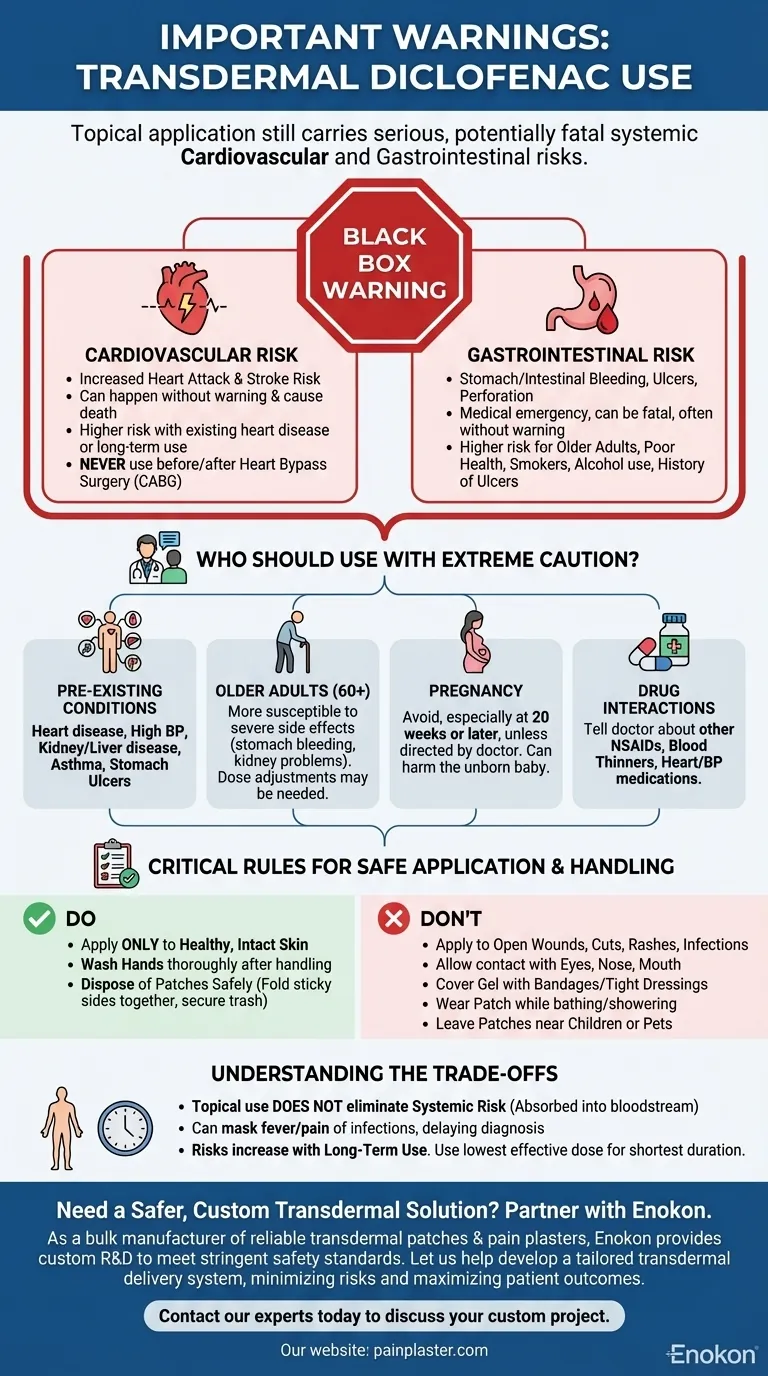
Visual Guide
Related Products
- Silicone Scar Sheets Patch Transdermal Drug Patch
- Far Infrared Heat Pain Relief Patches Transdermal Patches
- Menthol Gel Pain Relief Patch
- Icy Hot Menthol Medicine Pain Relief Patch
- Mugwort Wormwood Pain Relief Patch for Neck Pain
People Also Ask
- What role does a silicone-based transdermal delivery system play in Parkinson's? Enhancing Early-Stage Patient Care
- How is the long-term skin tolerance of silicone-based transdermal patches evaluated in clinical settings? R&D and Safety
- Why is a polarizing microscope used to evaluate the long-term stability of transdermal drug patches? Ensure Efficacy.
- What are common adverse effects of transdermal drug delivery? Risks & Prevention Tips
- What are the advantages of transdermal drug patches? Optimize Medication Delivery with Patches
















